

Editor’s note: This article was first published in February 2013; the ranking, asset figures, earnings and forecasts, such as Chile’s expected growth of nearly 6% in 2013, date from early 2013. Several banks have since changed: National Bank of Abu Dhabi merged into First Abu Dhabi Bank in 2017 and Samba into Saudi National Bank in 2021.
Banks in emerging markets are growing at an unprecedented pace, which makes them a good investment option for investors who still aren’t convinced about the economic situation in developed economies. Of course, before buying into the banks listed below, we mustn’t forget that they could be exposed to the same risks of massive, disproportionate lending that we have already lived through in our own economy. In other words, they could be inflating their own bubble, although everything suggests that, for now, they will keep growing (until they make the mistakes we already made).
The ranking of these banks is based on the ratings awarded by the three big credit rating agencies: Fitch Ratings, Standard & Poor’s and Moody’s.
10. Bank of Taiwan
Total assets: $129 billion.
It is the largest bank in Taiwan. It was founded in 1946 as the first state-owned bank after the island was restored to the Republic of China in 1945. It has carried out central-bank functions such as issuing currency.
9. BancoEstado (Chile)
Total assets: $40 billion.
It is the only state-owned commercial bank in Chile. It is Chile’s third-largest bank by lending and number of branches, and the largest by deposits, according to Fitch. All the rating agencies have said there is a high probability that the Chilean government would step in and support the bank if it ran into financial difficulties. BancoEstado’s revenue grew 13% in the last quarter of 2012, and Chile is expected to grow by close to 6% in 2013.
8. Samba Financial Group
Total assets: $51 billion.
It is the second-largest bank in Saudi Arabia. The bank has around 70 branches, including international locations in London, Qatar and Dubai, plus a presence in Pakistan through a subsidiary. The Saudi government owns 50% of the bank.
7. Qatar National Bank
Total assets: $82.9 billion.
Qatar National Bank (QNB) is not only the country’s safest bank but also its largest, with more than 50% of the banking system’s assets and deposits. It was Qatar’s first commercial bank. Half of the bank is owned by the Qatar Investment Authority, the country’s sovereign wealth fund, and the bank accounts for almost a fifth of the country’s total stock market capitalization.
6. Korea Finance Corp.
Total assets: $157 billion.
The bank implements public spending policy aimed at supporting economic growth, and it receives strong backing from the government. It announced that in 2013 it would increase lending to small and medium-sized enterprises.
5. Industrial Bank of Korea
Total assets: $161 billion.
It is South Korea’s fifth-largest bank by assets and accounts for around 4% of domestic deposits. IBK has a strong position in the market for loans to small and medium-sized enterprises (SMEs), with more than a fifth of the market.
4. National Bank of Kuwait
Total assets: $48.9 billion.
This is the largest bank in Kuwait, one of the most oil-rich countries in the world. In January it reported results well above the market consensus, although it warned that the country’s political problems could hurt the bank’s profitability this year if they are not resolved satisfactorily. Even so, the bank itself expects to beat expectations again this year, since the country is in the middle of major construction projects, especially infrastructure.
3. National Bank of Abu Dhabi
Total assets: 69.6 billion.
The United Arab Emirates (UAE) can boast six banks in the list of the 50 safest banks in emerging markets. The National Bank of Abu Dhabi is the country’s second-largest bank, and the government owns 70% of it. Its revenue has grown steadily, and nothing suggests it will stop growing in the next decade.
2. Agricultural Development Bank of China
Total assets: $310 billion.
It is the second-largest bank in this top 10 of the safest banks. The bank is responsible for financing China’s rural and agricultural development. In 2012 it grew by more than 16% while its non-performing loan ratio fell. It is another bank that can count on government support if it needs it.
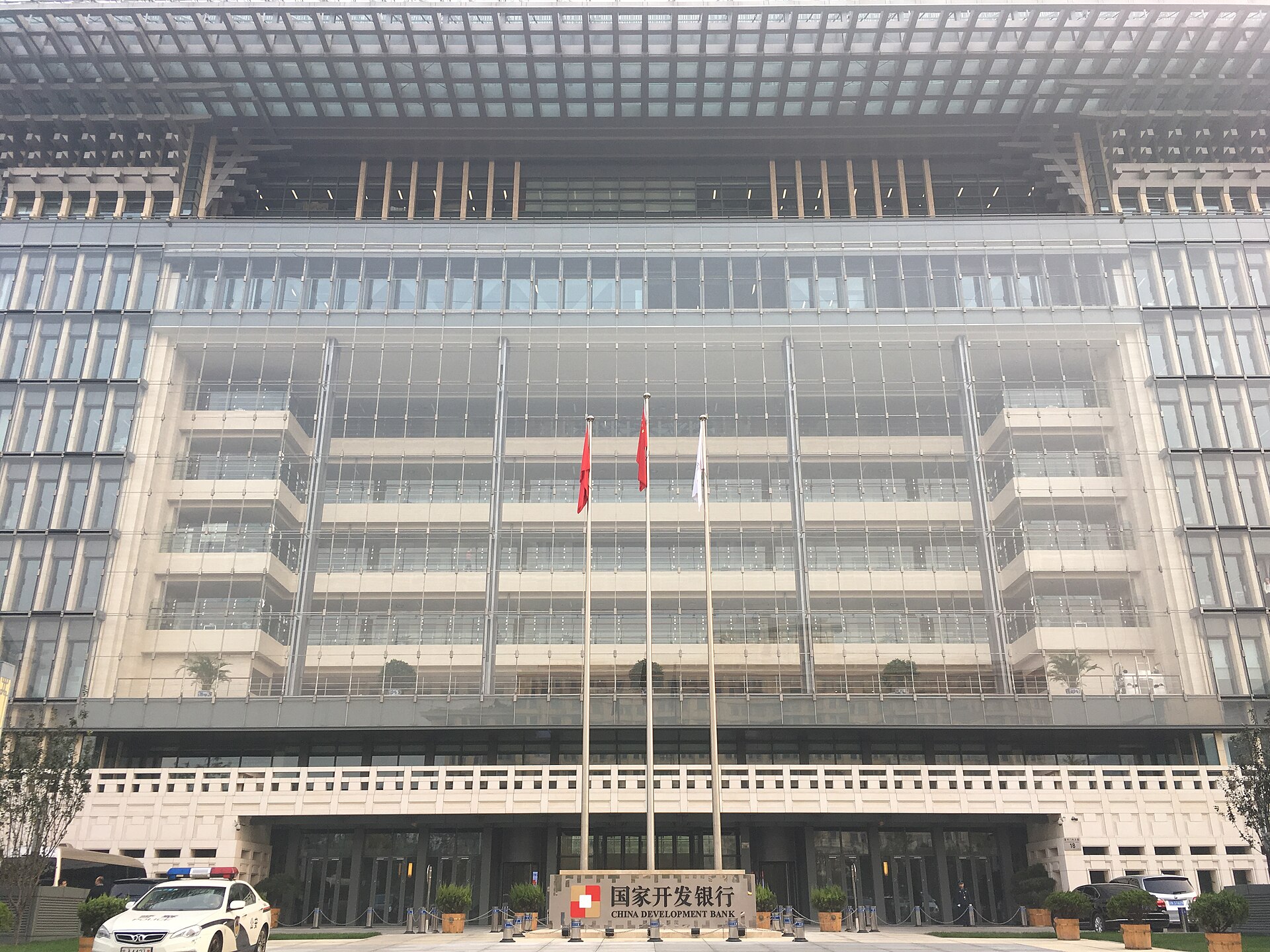
1. China Development Bank
Total assets: $922 billion.
It is considered the safest bank in the emerging markets. CDB is under the direct control of the government, and the debt it issues is guaranteed by China’s central government. The bank is worth more than three times as much as its nearest competitor.
Further reading
- 5 steps to build a dividend investment strategy
- What the rich will invest in in 2013
- 10 investing mistakes
Featured image: Max12Max, CC BY-SA 4.0, via Wikimedia Commons.



