Editor’s note: This article was first published in March 2012 as a news piece about the Spanish economic crisis. The closure figures, sales trends and the “now more than ever” advice reflect that moment, not the current market.
A few years ago, when someone lost their job and didn’t know what to do next, there was always the option of opening a café, restaurant, pub and so on. These are the so-called “slave businesses“, because of the dedication they demand, but at least they got people out of a financial hole. In Spain, practically any bar, however badly located, used to be a profitable business.
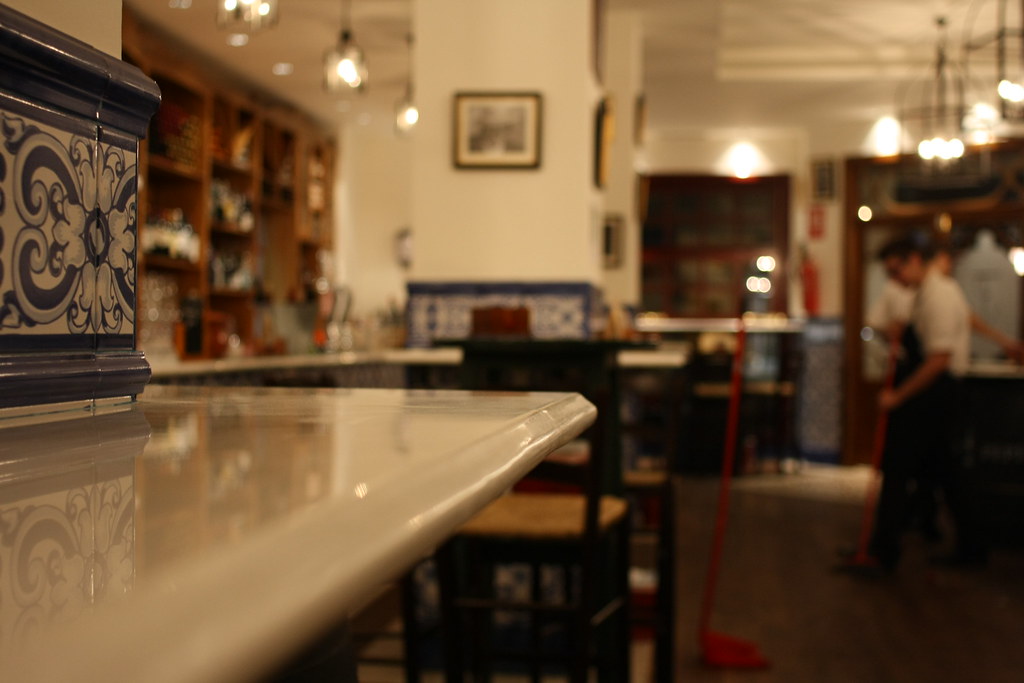
Today the reality is very different: an estimated 12,000 bars and restaurants have closed in Spain over the last 3 years. The figure could rise further; you only have to look at how “packed at all hours” has turned into “empty at any hour”. The truth is that when Spaniards stop going to bars, things can’t be going very well.
According to the newspaper ABC, no part of the hospitality industry has been spared. Cafés, restaurants, hotels and nightlife venues have all seen their sales fall considerably, even though they had already lowered prices and cut into their margins. It’s not that Spaniards have stopped drinking: the same newspaper reported that consumption of alcoholic drinks has actually increased. Consumers have simply changed their habits and now buy their drinks in food shops.
In other words, while sales of alcoholic drinks in bars and restaurants have fallen by more than 5%, sales in food shops have risen by almost 1%.
Besides the crisis and the anti-smoking law, other factors behind these closures could be the rise in electricity prices and all the taxes these businesses have to pay.
Now more than ever, anyone opening a nightlife venue needs to define clearly the kind of customer they want to attract, because the big clubs with expensive entry are still doing perfectly well despite the crisis. In the same way, luxury restaurants are going full steam ahead, while many restaurants offering cheap set menus have been forced to close.
We’ve already shared some ideas for making these businesses profitable. First we talked about hybrid shops, which try to give a venue added value, and later we published some ideas for hospitality businesses aimed at bringing in innovation and originality.
Even so, anyone thinking of opening a bar today needs, more than ever, to do proper market research and think carefully about why their place would work when others don’t.
Featured image: Grey World, CC BY 2.0, via Flickr.