Editor’s note: This article was first published in September 2013, about the Spanish government’s draft rules on solar self-consumption, which led to the so-called sun tax. That charge was abolished in October 2018, and selling surplus self-generated power is now allowed. Spain’s unemployment level also reflects 2013.
In the United States, one of the biggest drivers of job creation and economic growth has been solar and wind energy. Spain, meanwhile, one of the countries with the most hours of sunshine a year (more than 3,000), has not only failed to take advantage of it: instead of seeing the opportunity of an emerging business, it has managed things in such a way that our politicians have turned it into a threat.
Kelly Phillips Erb, a Forbes contributor, takes an ironic and sarcastic tone when she writes about Spain’s renewable energy policy: instead of encouraging one of the businesses of the future, the Spanish government has levied taxes that make no sense at all.
Spain was generating so much solar power that production capacity soon exceeded demand by more than 60%, while, ironically, some so-called renewables experts were talking about how hard it would be to meet energy needs with solar power alone.
Instead of being put to good use, the imbalance between energy supply and demand caused a problem for the Spanish government, which now owes producers some 26,000 million euros.
But, tongue firmly in cheek, the Forbes writer explains how the Spanish prime minister solved this problem without much intellectual effort. In her telling, his reasoning went something like this: “How much do we owe, 26,000 million? No problem, let the citizens pay.”
And in a nutshell, that’s what is being done: “If you don’t use solar power, we’ll raise your electricity bill for the damage solar does to the power companies. And if you do use solar power, you have to pay for the damage the ‘green criminals’ do to the power companies’ business.”
See also: Solar energy investment: a bad business in Spain
One way or another, as they say at Spanish fairground raffles, “every ticket wins: if not a whistle, then a ball”. And when you go out into the street, do you benefit from the sun’s rays? Then you have to pay for them. The sun must be taxed.
The Forbes writer can’t understand why citizens can’t install their own solar panels and benefit from the solar energy they produce themselves. The reality is that the government has settled this problem the way only Spain knows how:
- Selling the surplus energy we produce is strictly forbidden.
- If you produce solar energy, it must be connected to the grid so that you pay taxes; otherwise, you can be fined large sums of money.
Ms Phillips mistakenly thinks these measures will provoke mass civil disobedience in Spain, but she forgets that in Spain people swallow whatever they’re given.
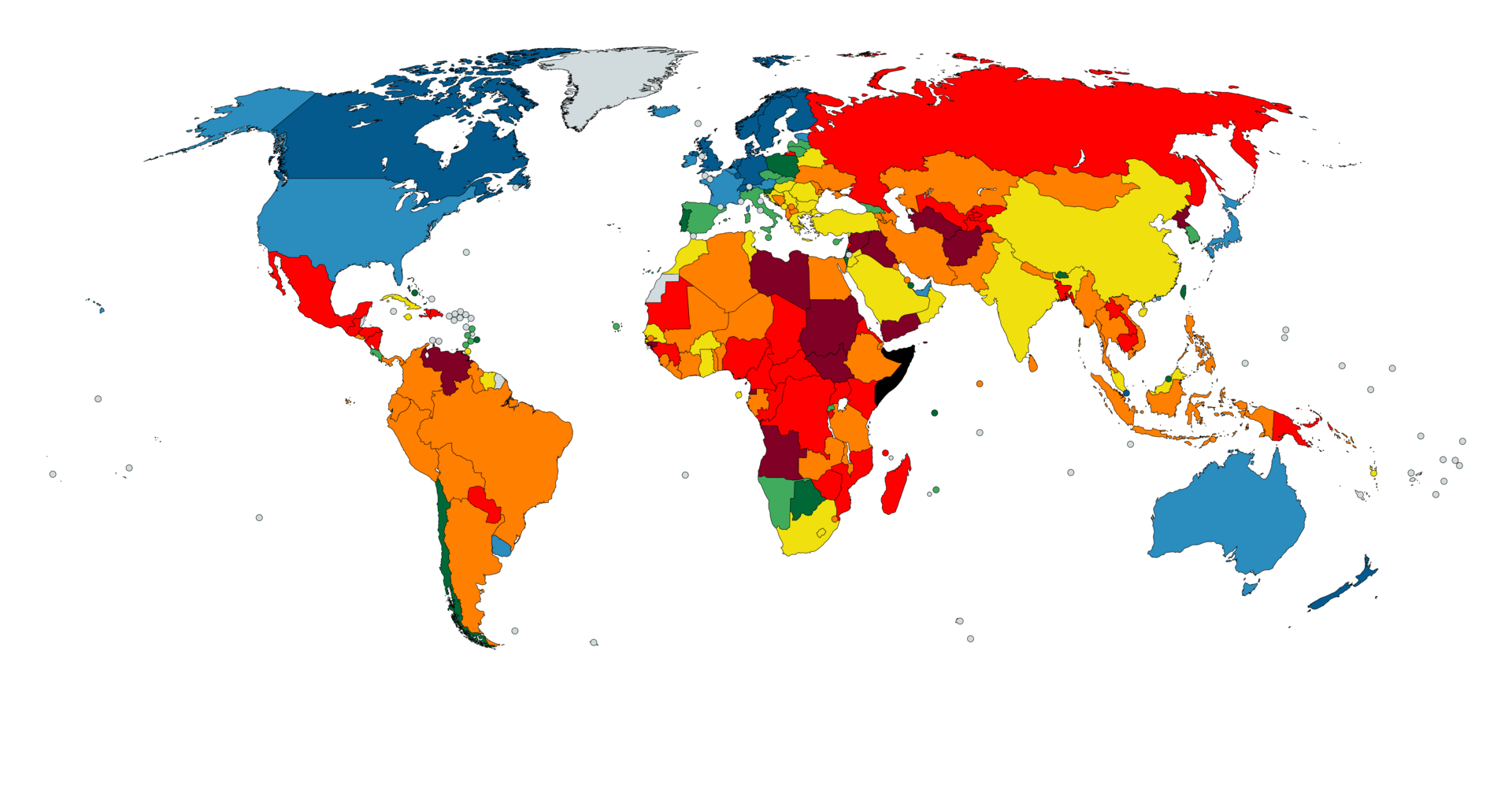
In fact, countries such as the United States and Germany are watching Spain to see how Spaniards react to these deeply unpopular measures, which hit the pockets of the people of one of the developed countries with the highest unemployment in the world. If Spaniards accept them, those countries might consider taxing renewables too, though without going as far as robbing their citizens outright.
And here’s the answer: Mrs Merkel and Mr Obama, go ahead and tax the sun in your countries. The Spanish have swallowed it, although I don’t know how much your citizens will swallow.
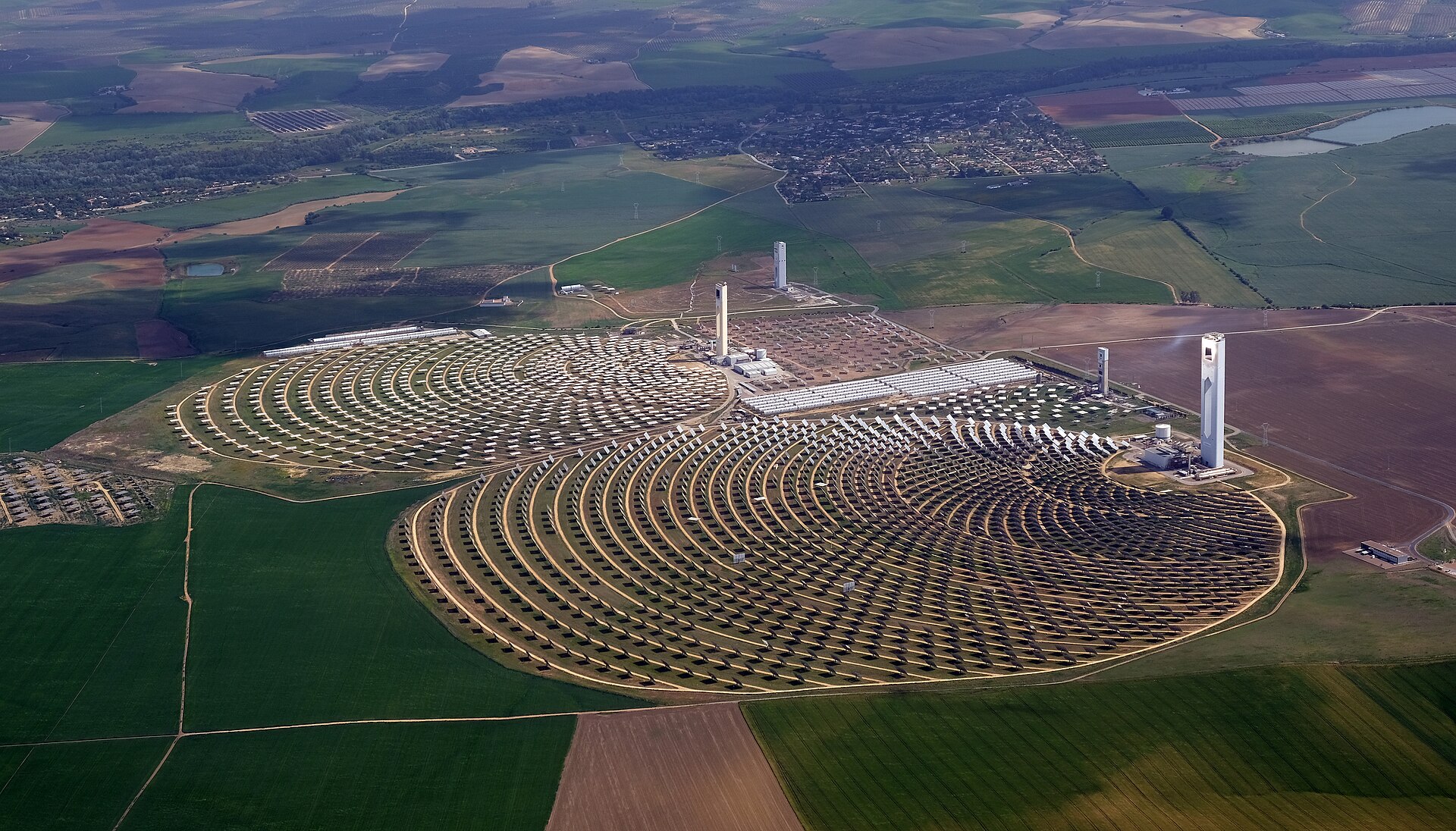
Featured image: kallerna, CC BY-SA 4.0, via Wikimedia Commons.