

We have written countless articles on how to beat laziness and stop putting things off. Discipline is essential to succeed in any field. Without discipline, things don’t usually happen, and the goals we set ourselves in life usually go unmet. Procrastination has become one of the great ills of our society, especially given how full of distractions our lives are.
At other times, even when we are clear that we need to do something, laziness takes over because we hate the thing we are about to do. We explained how to get yourself in the right frame of mind to do tasks you hate, which could be considered the first strategy.
We also shared some tricks for being more disciplined and avoiding procrastination, where we talked about tying an effort to a reward, or tying a good habit to a bad one.
And finally, we talked about the strategy Victor Hugo used to beat procrastination.
A new strategy to beat procrastination
Imagine you are trying to start a project you have to do, or you want to write a book or an article. But the words won’t come, you can’t find the right moment to sit down and write, or you put the project off for another day when you feel more like it.
Why aren’t you doing what you know you should be doing?
The cause could be a lack of motivation or a lack of creativity. Some people call it “resistance”. It can be frustrating. When laziness or a lack of motivation sets in, you may even notice that you feel weaker.
Time passes and nothing changes, and on top of that you find yourself glued to the computer without doing anything productive: just looking at quotes and little posters on Facebook, answering your friends’ WhatsApp messages or watching silly YouTube videos.
The hours keep passing until it’s time to stop. You look at what you’ve done, and the answer is that you haven’t done anything. Believe it or not, this has quite a few psychological consequences, because lazy people don’t usually feel good about themselves. They know what they are, and they know they haven’t done something they should have done.
What to do when you’re stuck
All of us have got stuck at some point. Inspiration doesn’t come, or creativity fails us.
This is where the strategy that Zat Rana has reminded us of comes in. This strategy for beating procrastination comes from an old saying we should never forget:
When you’re stuck, do more.
The saying may seem to make no sense, but the truth is that it is the only way we can beat procrastination: “If procrastination is about wasting time and not doing what we should be doing, the only way to beat it is by doing something.”
When we explained the difference between amateurs and professionals, we gave the example of James Clear, who said to a writer:
“I only write when I’m motivated. I feel I do my best work when I’m motivated.”
And the writer replied: “So do I. But I get motivated every day at 8 in the morning.”
The problem with inspiration
People usually assume they need inspiration to do something. And they believe that inspiration will arrive in the form of an emotion, a big burst of imagination, or a sign.
I suppose some people have completely bought the story that Newton was resting under a tree when an apple fell on his head, and that this brought him the creativity and inspiration that led him to discover the theory of gravity.
The truth is that Newton very probably spent weeks thinking about it, and kept thinking about it while sitting on the toilet. And after all that thinking, there on the toilet, he would have found the key that brought the pieces together. Of course, I imagine it sounds better to say he came up with the theory of gravity because an apple fell on him than to say he was sitting on the toilet when he hit upon it. (OK, that’s just my summer mood talking :-))
With inspiration, it’s exactly the opposite
The truth is that you don’t need to be inspired to do something. It’s exactly the opposite. Doing is how you get inspired. Action is what forces inspiration.
The more you do, the more you can do and the more you want to do. The further you get, the more easily you see what remains to be done. So all you have to do is start.
But that’s the problem with procrastination: starting
To solve this dilemma, we just need to apply “do more”, and we can (and should) start whether we feel like it or not. It doesn’t matter much.
Of the tasks you have to do, start with one you can do without needing much inspiration or creativity. In other words, if you have emails to answer (important emails), start there. If you have to file some documents, file documents. Keep working through those tasks and you will notice that, as you finish the less important ones, your own mind will start asking for more. Your drive, your creativity and your inspiration will grow.
See also: 25 habits of successful people
Doing small things will gradually lead you on to more important ones.
The concept of activation energy
In chemistry there is a concept called activation energy: the minimum amount of energy needed for a reaction to proceed.
You could compare the threshold you need to cross to carry out a task with this chemical process.
When you try to write and can’t, it’s because the activation energy you need is really high, so it is harder for you to force the activation. The activation energy you need to answer emails, on the other hand, is low. So start there.
Then, as you do more and more tasks, that energy builds up and adds up. At some point, we will have built up enough energy to tackle the most important task.
So do that. Do more. Start with small tasks that require low doses of energy, creativity or inspiration. Once you have finished them, you will be motivated to take on the most intimidating task. You will be ready to stop procrastinating and beat it.
As soon as applying this strategy becomes a habit, you will be closer to being a disciplined person.
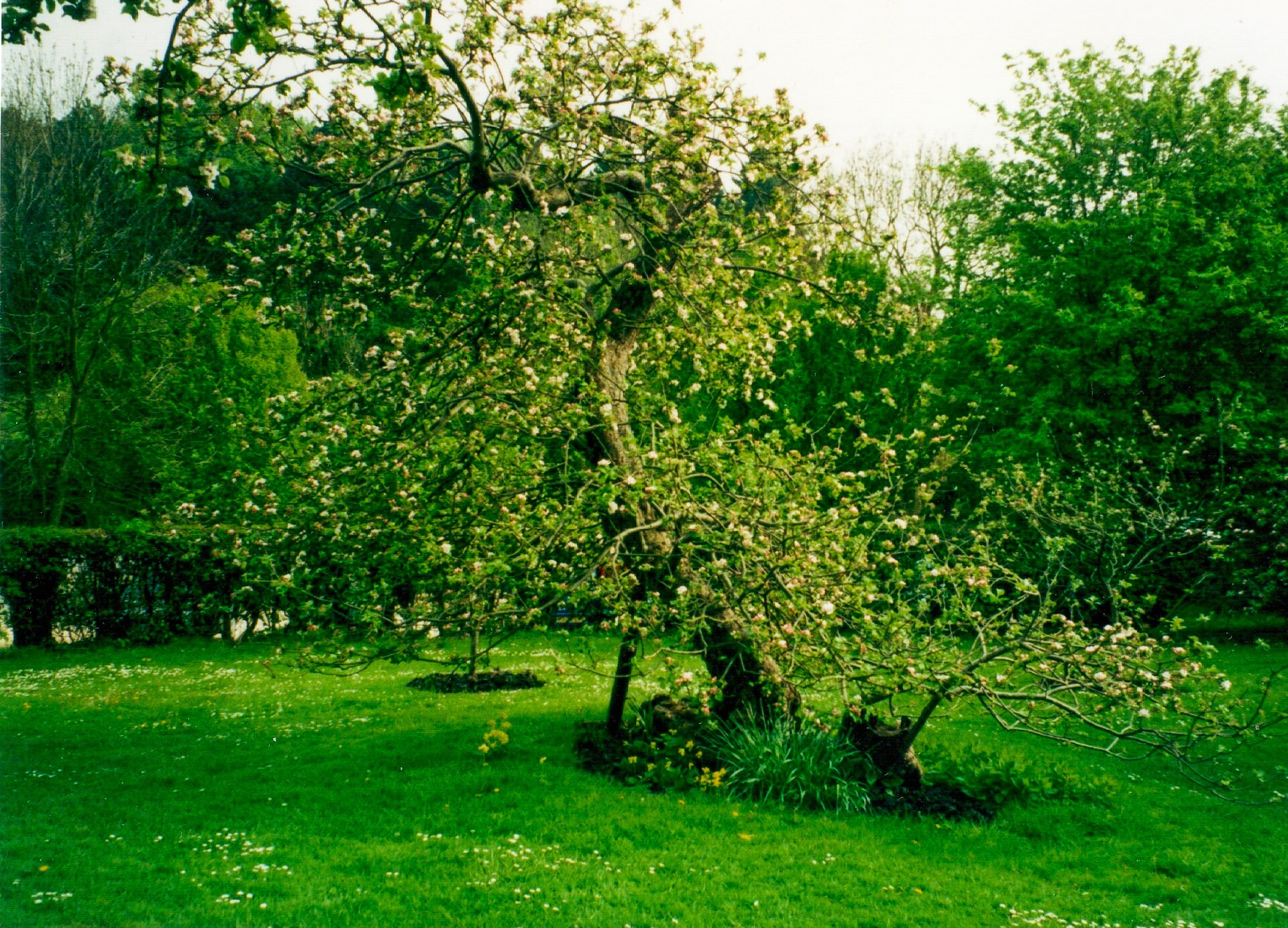
Featured image: Newton's apple tree, Woolsthorpe Manor by Humphrey Bolton, CC BY-SA 2.0, via Wikimedia Commons.



