

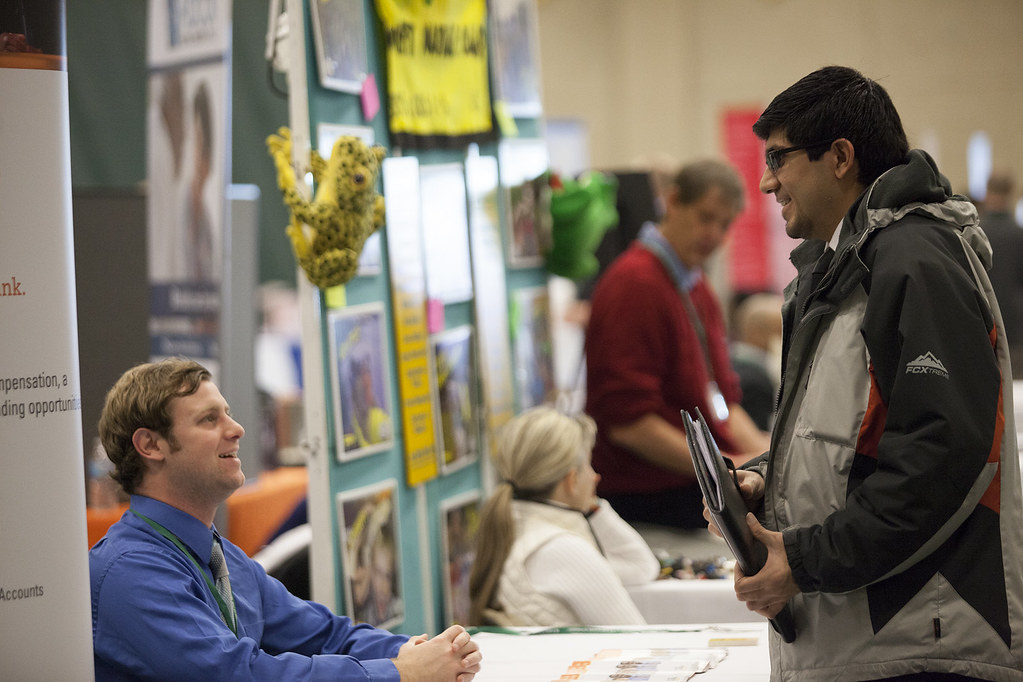
The interview, whatever its type, is the star test of any selection process. Its success depends on the candidate’s nerves and on the skill of the human resources interviewer, who has to find the best option among the candidates put forward.
It has no set time limit (though it shouldn’t drag on too long either). It is personal contact with the candidate (in both directions: company to candidate and candidate to company). It is the chance to learn in detail about all of their work and educational experience. It is the time for the candidate to find out about us. And it is a test in which one or two HR specialists can take part.
Those are the advantages, set against a single warning: make the personal interview a pleasant encounter for the candidate, don’t create a bad atmosphere, ask with skill and listen with respect.
Asking with skill
Let’s start the interview punctually and cordially, shaking our candidate’s hand. Let’s create a good atmosphere, a little friendly rapport, with trivial, unimportant questions that break the initial ice between both sides. Putting the candidate at ease will help bring the interviewee over to our side in their answers.
Once we’ve won the candidate’s calm and trust, we can ask more direct and probing questions. We’ll have broken through the barrier of shyness and deference, and they will be less reluctant to tell us everything we want to know.
Questions must not be leading (Are you interested in working for this company?), nor should they signal what we want to hear (Do you like working in a team?). Instead, they should be open questions that allow full, explanatory answers we can keep digging into.
Questions should be asked one at a time. We’ll scatter the information if we bombard the candidate with questions, and we shouldn’t interrupt their answer even if they wander off into irrelevant “digressions”. Suddenly putting them on the spot can be counterproductive; we should steer them step by step, without letting them know that their answers aren’t particularly interesting.
Listening with respect
What is trivial to us may be vital to them, and they have a job at stake. So the interview should become fluid communication between both sides. Let’s not allow the candidate to think they’re talking without being heard, even if what they say matters little to us.
Keeping eye contact and leaning forward makes the candidate feel interesting and listened to. They’ll feel at ease and tell us in detail everything we want to know. The HR interviewer’s non-verbal communication is therefore also part of listening attentively to the words of our potential colleague.
Silences express reflection, and appearing to agree with the candidate’s explanations encourages them to answer. When in doubt, rephrase the question, explaining that you’re keen to understand what they’re telling you.
Further reading
Featured image: COD Newsroom, CC BY 2.0, via Flickr.


