

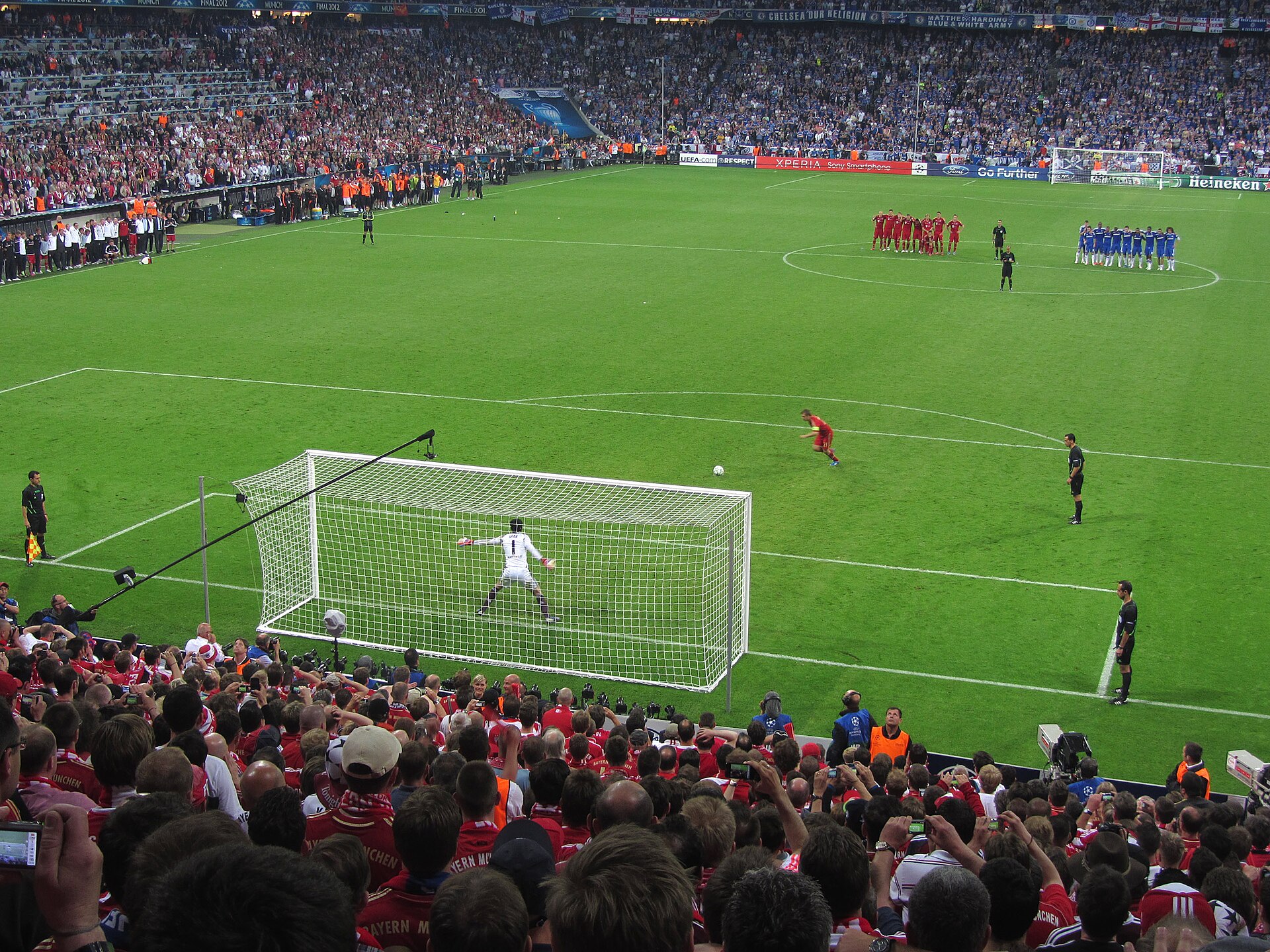
Some people tend to freeze when faced with pressure or extra difficulty. This applies to every area of life, professional and personal alike. On the other hand, there are people who are perfectly able to keep calm and stay genuinely productive when the pressure comes on and the difficulties multiply. In fact, some are real addicts who have turned that playing field into their comfort zone.
The good news is that anyone can learn to do it. It isn’t easy, but it can be done. Job ads sometimes list “used to working under pressure” as a requirement. Likewise, some candidates write on their CV: “comfortable with risk and used to working under pressure”. When one of those candidates walks through the door, the truth is that you can’t picture them as a sniper calmly taking aim at a target while being shot at. Nor can you picture them staying calm on the penalty spot in a World Cup final with 100 million people watching.
Professional life is no different. There are days when the whole world seems to be out to get you, when problems rain down one after another and you have to make decisions in a matter of minutes that will affect the company’s results and probably the future of the team. An important client you lose without knowing why, a defective order that could cost you another client, production halted by a machine breakdown, and, as if that weren’t enough, that same week your suppliers let you down and two of your key workers are off sick. Every one of Murphy’s laws is conspiring against you, and you can’t afford to hide in a corner to scream or cry. Despite everything, you have to stay calm and get through this setback stoically.
This scenario may be a very extreme case (although a true one), but the fact is that many people freeze up even in an important negotiation.
How can I be that cold sniper who stays unmoved in the face of adversity? How can I be that footballer who keeps calm while millions of people who have never kicked a damn ball in their lives are ready to tear me apart if I miss?
The steps are: preparation and repetition, process, and good humour.
1. Preparation and repetition
The biggest mental block comes from a very natural instinct: fear. Fear grows as our imagination starts picturing all the ways we could fail. The bad news, or the good news, is that everyone is afraid. I always stress this point: we can’t help you get rid of fear, only help you face it. There is no better way to take on challenges than to be thoroughly prepared in advance for every scenario that might come up.
Preparation is fear’s kryptonite. I believe it was a biblical passage that said: “If you are prepared, you shall not fear.” And it’s true. Boxers turn their pain into their comfort zone, while great athletes use stress and pressure to boost their adrenaline and become more efficient and powerful. At work, we need to achieve excellence in what we do. As Aristotle put it: “We are what we repeatedly do.” (Read: A sushi chef reveals the secret of mastery in business.)
As we gain confidence, we gradually overshadow those fears. You should know that there is no such thing as overnight success. We all see great entrepreneurs and millionaires today, but very few stop to study how a millionaire went from serving coffee behind a counter to where he is now. He did it by taking on challenges, trying and failing. All of them were under heavy pressure at some point.
2. Process
Everything in life is a process. You always have to be constantly seeking to learn and grow. We need to build habits until they become part of our daily routine. Once you take on certain routines and skills, they end up becoming part of who you are. And that is the natural way to feel comfortable with risk and pressure. It isn’t something you set out to do, but something you become.
That is the kind of person described as a relentless professional: able to stay calm when everyone else loses their head, to lead in the middle of chaos, and to stay cool and calculating in a crucial negotiation.
Whether we’re talking about sales, negotiation, talking to your child about drugs or other delicate matters, taking part in a competition or giving a talk, discipline, preparation and confidence will help you.
3. Good humour and a positive mental attitude
No bitter person ever gets anywhere, because even when they do achieve something, their bitterness won’t let them recognise or enjoy it. Besides, we tend to drift towards who we are, so people like this inevitably tend to slide back into their earlier bitterness. Although, sadly, not everyone can have a sense of humour, a positive mental attitude is an essential requirement for success. (Read: The power of positive thinking, beyond the cliché.)
It may sound like a platitude, but the truth is that a positive attitude is what keeps you focused not on the problems but on the reward waiting for you once you get past those obstacles.
You can lose one sale or 100 sales, you can go bankrupt with one company or ten, get divorced, go broke, lose your job, and so on… but the moment you lose your good humour, you’ve lost everything.
Many people confuse being serious as a professional with being solemn. The data show that people with a friendly character and a positive outlook on life improve their chances of success where others crash, drowning in their own difficulties.
Further reading
- An impressive motivational talk on achieving success
- 16 hard things you will have to do to succeed
- 14 science-backed ways to be happier
Featured image: Markus Unger from Vienna, Austria, CC BY 2.0, via Wikimedia Commons.



