Editor’s note: This article was first published in June 2011. The 18% general VAT rate, the 8% reduced rate and the tax benefit of up to €4,000 for home renovation are 2011 figures; Spain’s general rate rose to 21% in 2012.
Among the government’s new anti-crisis measures, “imposed” by the markets, is a new VAT rise. This measure is aimed squarely at reducing the public deficit, without taking into account that every action has further consequences, which they may or may not have anticipated.
In the current situation, with the wages of citizens (let’s call them consumers) rising less than inflation and consumption stagnating, a new VAT rise will not, for a start, revive consumption. What’s more, the Bank of Spain has already been warned that tax fraud will increase if this rise goes ahead. At least, that is what the tax authorities saw after previous rises.
Let’s talk about the shadow economy
The shadow economy is this country’s big problem, although an even bigger problem is that the government and the Bank of Spain themselves are steering small business owners down that road. With customers who have lost purchasing power during this crisis, a new VAT rise will inevitably drive them to look for a deal that doesn’t exist, or for a product that can be sold off the books (for undeclared cash), to save some money.
On the other side we have the small business owner, who desperately needs to sell. So when a customer walks in haggling over prices, the easiest way to give them what they want is an 18% discount, which is simply achieved by leaving out the VAT and not declaring the invoice. This is the situation that will become more common, so once again the planned measures will not have the desired effect.
We recently reported on the new government grants for home renovation, which cut VAT to 8% and offer a tax benefit of up to €4,000 through the IRPF return (Spain’s personal income tax). We take it for granted that this cut is meant to encourage consumption and boost the renovation business. So why think that a rise will have the same effect as a cut?
This is a completely counterproductive measure for the Spanish economy, and the opposite of the measures being considered in the United States, where the thinking is that, even if the public deficit gets a little worse, finding ways to lower prices and taxes will encourage consumers, companies will sell more, and new hiring will bring unemployment down. As a result, the public deficit will shrink through the momentum of the process itself. It’s a question of confidence, something that is slowly disappearing in Spain.
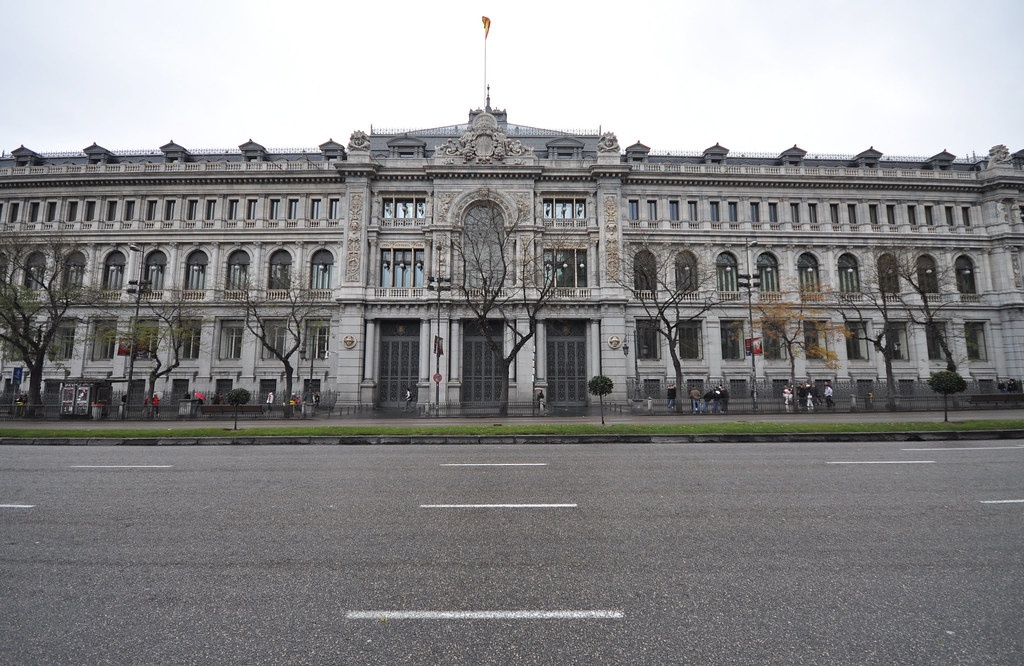
Featured image: Jorge Láscar, CC BY 2.0, via Flickr.