

Editor’s note: This article was first published in February 2013. The Heinz deal ($72.50 per share, $23 billion), Berkshire’s cash at the end of 2012 ($47 billion, about $27 billion of it “excess”) and the $14-15 billion left for another purchase reflect that moment. Heinz later merged with Kraft in 2015.
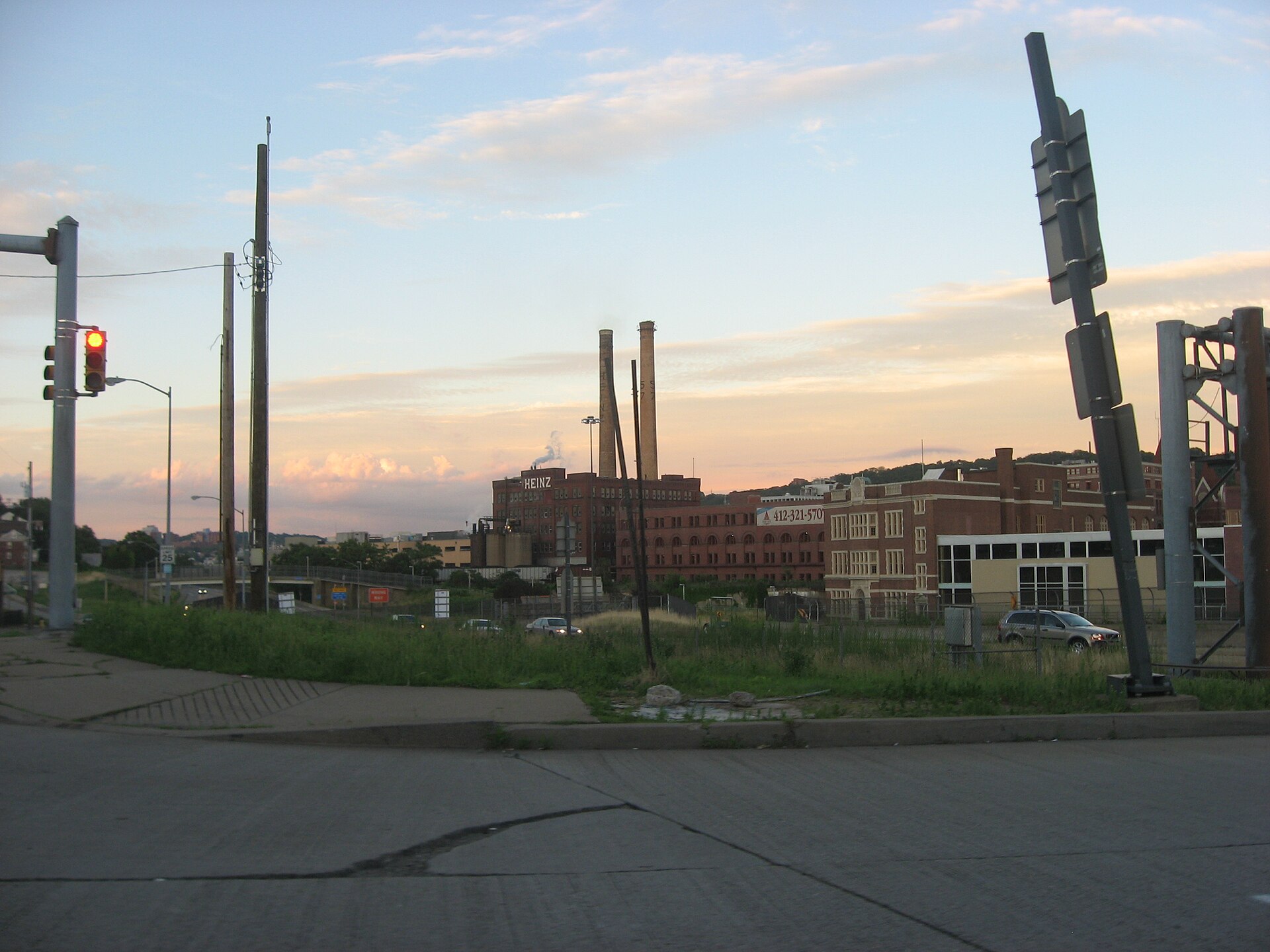
After the recent acquisition in which Berkshire and 3G Capital Management paid $72.50 per share, or $23 billion, for Heinz, some controversy has arisen in investment circles, with talk of Warren Buffett losing his knack for spotting bargains. Buffett looks for specialised management teams, solid balance sheets, excellent products and an attractive price, and at first glance Heinz doesn’t seem to meet some of those requirements, above all the price paid for the shares.
Some experts say Berkshire didn’t land any bargain with this purchase, although Buffett, in an interview with CNBC, replied that Heinz is the kind of company they look for, because it has a magnificent product.
Jeff Matthews, a Berkshire Hathaway shareholder, has said that Buffett has adjusted his investment strategy to the global conglomerate that Berkshire is today:
“Decades ago, Buffett worked as a value investor, buying stocks that were considered cheap and waiting for the market to catch up with them (to recognise the company’s value). Today, to keep Berkshire growing, Buffett can no longer rely on a basket of stocks. He has to buy a basket of companies that he believes will grow over time.”
The fact is that Heinz has raised its dividend year after year despite the crisis (see: how to build a dividend investing strategy), and experts say it is a company as stable as Coca-Cola itself. It is a company with a sustainable dividend.
Buffett will also hand over the management of Heinz entirely to 3G Capital Management, which has so far shown that it knows how to get the most out of a company and take it into all kinds of markets. That is what led Buffett to pay a higher premium than usual.
For many experts, Buffett is still a value investor, but he has changed his investment horizon, which may now be not 10 or 20 years but 50. In Warren Buffett’s own words, Heinz is a company he wants Berkshire to own even after he is gone.
Buffett also says he is thinking about making other large acquisitions. He joked that he is ready to hunt another elephant: “If you see an elephant wandering around out there, please give me a call.”
Buffett said that at the end of 2012 Berkshire had $47 billion in cash. He likes to always keep around $20 billion on hand, so the “excess cash” was about $27 billion. That would leave between $14 billion and $15 billion for another purchase.
I imagine we’ll be hearing all sorts of speculation about future candidates for acquisition by Berkshire. Expensive or cheap, what is clear is that Buffett has sent the share price soaring, a price that some US banks considered expensive, recommending selling just days before Buffett’s acquisition.
Featured image: User:Nyttend, Public domain, via Wikimedia Commons.



