

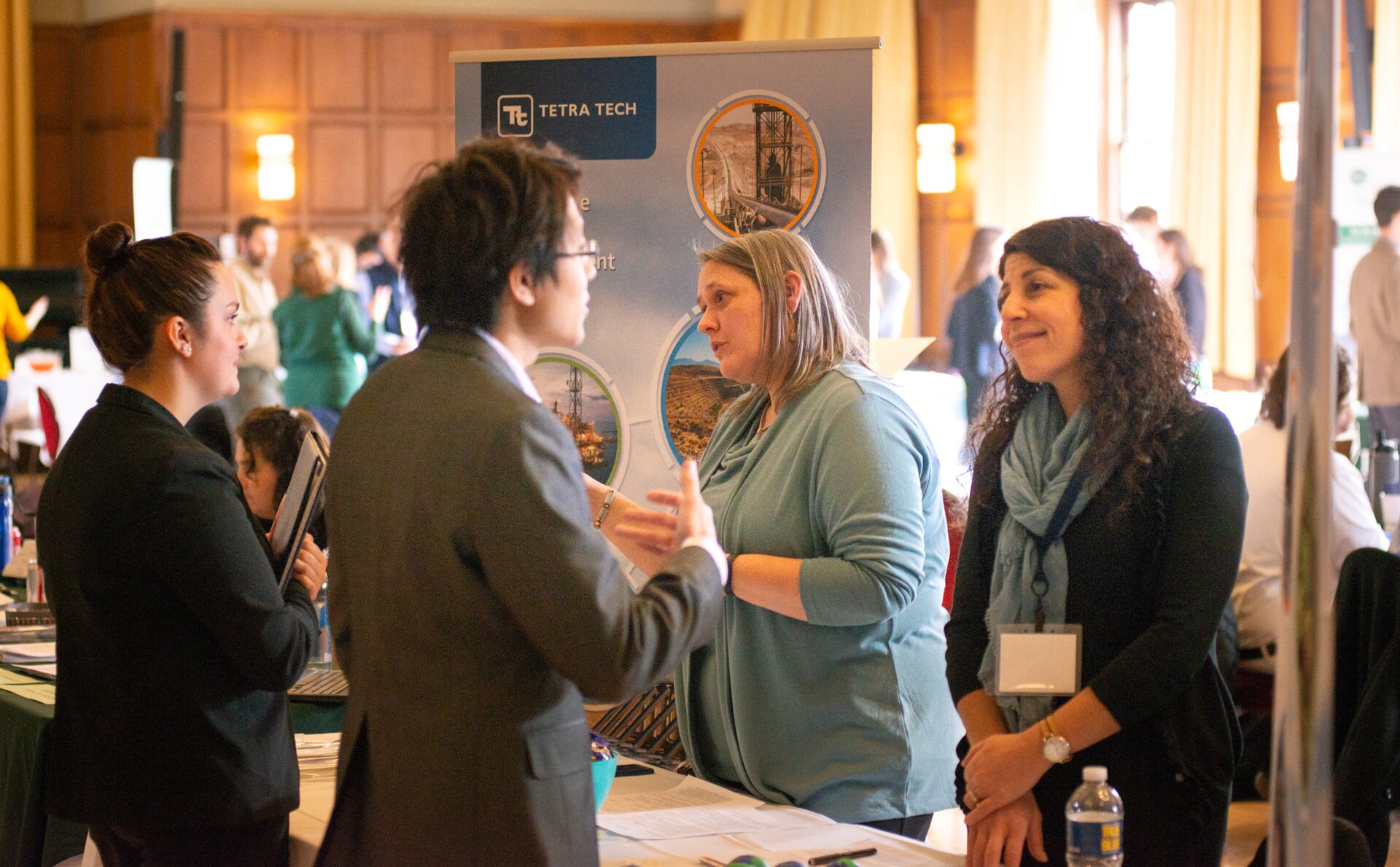
Editor’s note: This article was first published in May 2012, during Spain’s economic crisis, and the Millennial Branding study figures it cites date from that period.
It’s clear that a recent graduate lacks work experience, apart from any internships they may have done while studying and other side jobs that, as a rule, have nothing to do with the work they would be doing at the company. That’s why a recent graduate facing a job interview is playing on a field with different “rules” from everyone else.
The firm Millennial Branding carried out a study involving more than 220 companies, in which some employers complained about recent graduates’ lack of preparation, as well as their lack of skills and the odd flaw in the candidate. So what does a company look for in this kind of candidate?
1. A mature person with a Facebook account that, ideally, doesn’t embarrass either them or the company.
8 out of 10 employers surveyed admitted that before hiring a candidate they look into their social media profiles: Facebook, Twitter, LinkedIn and blog, if the candidate has one.
People start from the increasingly “false premise” that no one can judge what you do outside working hours. If you take on a position of responsibility in a company and 4 out of every 10 photos on your Facebook are of your weekend binges, you’re making two mistakes as far as the company is concerned. The first is that you project a poor image of yourself and, by extension, of the company where you hold a position of responsibility.
The second is more serious: if that’s how you have fun at weekends, at least be consistent and change the privacy settings on your Facebook account. Otherwise you come across as careless and, therefore, not fit for a position of responsibility.
2. A creative, enterprising person with ideas.
A company needs (and in the current crisis, all the more so) a creative person who contributes ideas. According to the study, employers remembered favourably the 1% of recent graduates interviewed who brought not only a willingness to work but also some ideas they were prepared to carry out if they were hired.
As Donald Trump used to say, a creative person rarely loses motivation, because their mind is always busy. Being entrepreneurial within a company is a quality rarely found in an employee, so when it does show up, it usually counts in favour of hiring.
3. Basic knowledge of the job, the company and its competitors.
You need to do your homework thoroughly before the interview, which means studying the company: its beginnings, its development, its weaknesses and so on. In other words, do a SWOT analysis of it. That way, when you show your entrepreneurial and creative skills, you can demonstrate that you know exactly the weaknesses of the company you could be working for, as well as the strengths it could use to compete with its rivals.
Then there are other requirements that are valued when it comes to being hired:
- A good attitude and positivity.
- Demonstrated leadership ability.
- Communication skills: expressing yourself properly, not being afraid of public speaking, and so on.
- Work experience (internships): someone who has done an internship of at least 3 to 6 months will be given much more consideration.
- Skill with technology.
- Languages.
- Being proactive.
Although some employers know that, for the candidate, the goal of a job interview is to make every effort to land the job, they say wryly that some candidates should lower the bar and simply try not to “blow it” in the interview.
Further reading
- 7 body language techniques
- 12 mottos for a job interview
- Outrageous mistakes in a job interview
- 5 reasons NOT to look for a job
Featured image: University of Michigan School for Environment and Sustainability from Ann Arbor, CC BY 2.0, via Wikimedia Commons.



