

Editor’s note: This article was first published in August 2011. The estimate that 75% of market volume is driven by algorithms, the rumour of automated trading machines for retail investors, and programs ‘in use for more than two years’ reflect that moment; such tools are now widespread.
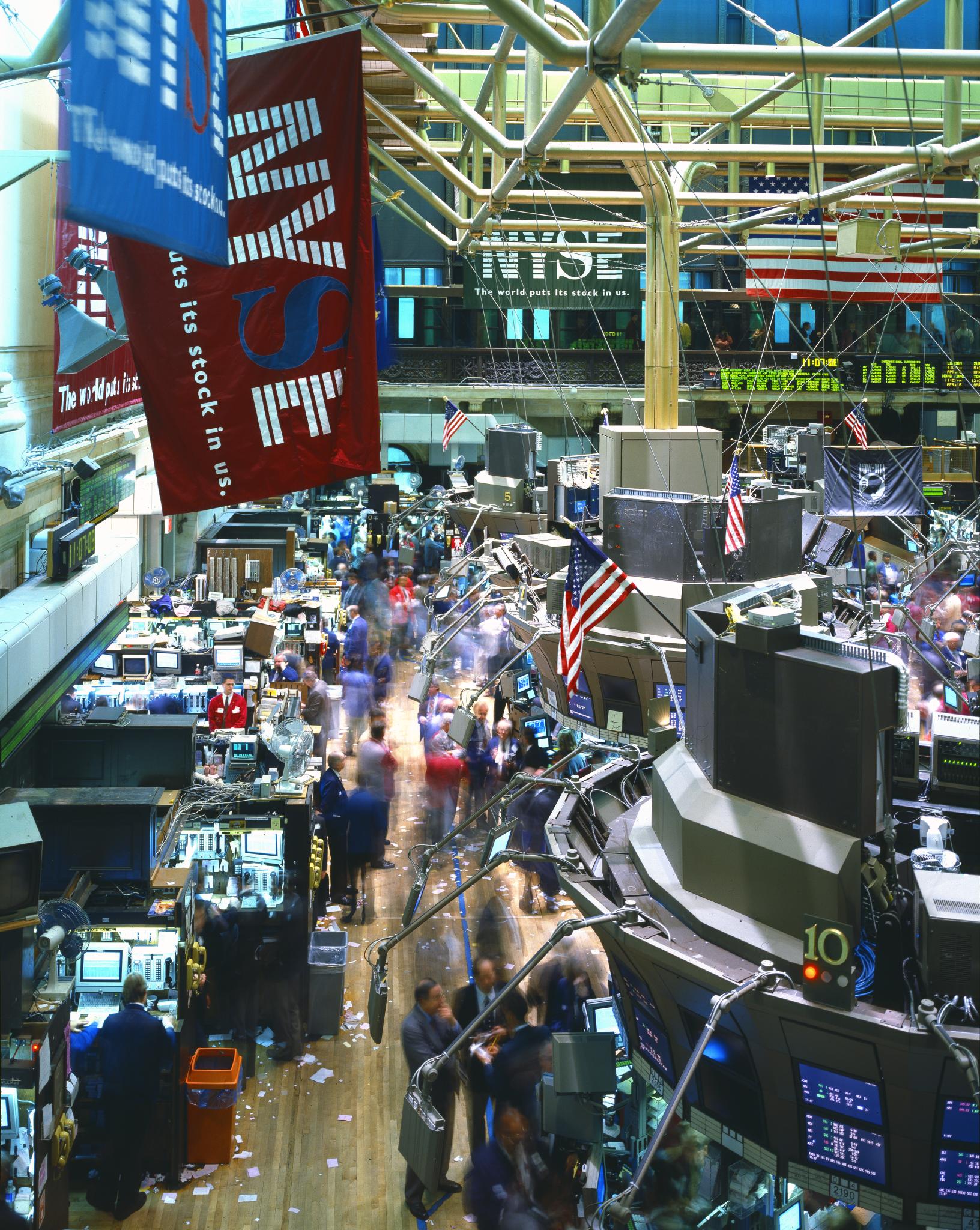
In the past, millionaires and corporations that wanted to invest their profits on the stock market would look for a good broker or investment manager. These firms, which managed the capital of thousands of people and companies, needed financial “geniuses”: cool-headed, intuitive people. Those people will probably go down in history, because it’s estimated that 75% of the volume traded on the markets now depends not on people but on algorithms.
For a little over 10 months we’ve been hearing a rumour that a US company may be building investment machines aimed at individual investors, capable of buying and selling shares on their own. Some of you will think this already exists, but it doesn’t. We’re not talking about software that gives us buy and sell recommendations, but about programs that do all the work by themselves. All the investor would have to do is switch on the program or machine when the market opens and come back to collect the profits at the close.
How would this kind of investing work?
It’s simple. Years ago, the biggest financial institutions and trading firms on Wall Street hired hundreds of mathematicians, physicists and programmers to create the “perfect algorithm“: a program able to detect the market trend in under a second and send the buy order on its own. The program decides which shares to sell, how many, which to buy, at exactly what moment, and so on.
This isn’t science fiction: we know these programs have been in use for more than two years.
Specifically, on 6 May 2010 an algorithm failed, triggering a global financial panic for about five minutes. An investigation was even opened to find whoever had spread some rumour that drove the market down, when in fact it was the algorithm itself that made a mistake and decided to sell shares worth almost $5 billion.
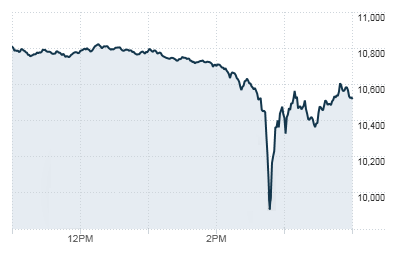
When the algorithm made that sale, other linked algorithms noticed the drop in prices and automatically behaved as if it were an “extreme” downtrend (selling more than 90% of their shares). Traders around the world picked up on this and, naturally, started selling everything too. For 20 minutes, no investor knew what was going on.
As a result of what the machines did, regulators installed an off switch that can halt trading if, in the future, the machines lose their heads again (or are manipulated).
The fact is that these machines exist, they’re being used, and they could soon be built for individual investors (at a high price and probably with hefty performance fees).
Does this mean small investors will lose out?
Honestly, I think small and mid-sized investors who keep using their heads have no reason to be hurt; quite the opposite. In a previous article we talked about the old-school investing method versus the modern one (machines), and so far the dinosaurs of investing keep earning high returns, even beating the returns achieved by computer programs.
Algorithms could make the stock market very predictable. However good its algorithm, a program doesn’t really know what I’m going to do. On the other hand, even if we don’t know what any single algorithm will do, we can know what algorithms as a group will do once the market takes on a trend. So, honestly, by taking investor panic and the way an algorithm reacts to a downtrend as a reference point, it could be easier than ever to know when to buy into a stock, and even when the fall in prices will end.
This is all speculation, but if the time comes when everyone invests based on algorithm recommendations, the person who studies how algorithms behave in specific situations will probably be the one who succeeds. Time will tell.
Further reading
- Investing in the stock market: guidelines for beginners
- The greatest investors in history and their returns
Featured image: Carol M. Highsmith, Public domain, via Wikimedia Commons.




