Editor’s note: This article was first published in August 2011, during the market sell-off that followed S&P’s downgrade of the United States. Warren Buffett as the world’s third-richest person, with a fortune of 50,000 million dollars, is a 2011 figure.
Over the last few years the world has gone through far too many financial difficulties because of this crisis, which leads many people to ask the same question: is this economic crisis a coincidence, or is it simply the will of the supposed “masters of the world”?
Some economists subscribe to the theory of an “invisible hand” manipulating financial forces. However, the latest events on the US political and stock market scene suggest otherwise. There are even those who maintain that the manipulation has a first and last name. That is what the American filmmaker Michael Moore told President Barack Obama on social media, when he called for Standard & Poor’s to be arrested.
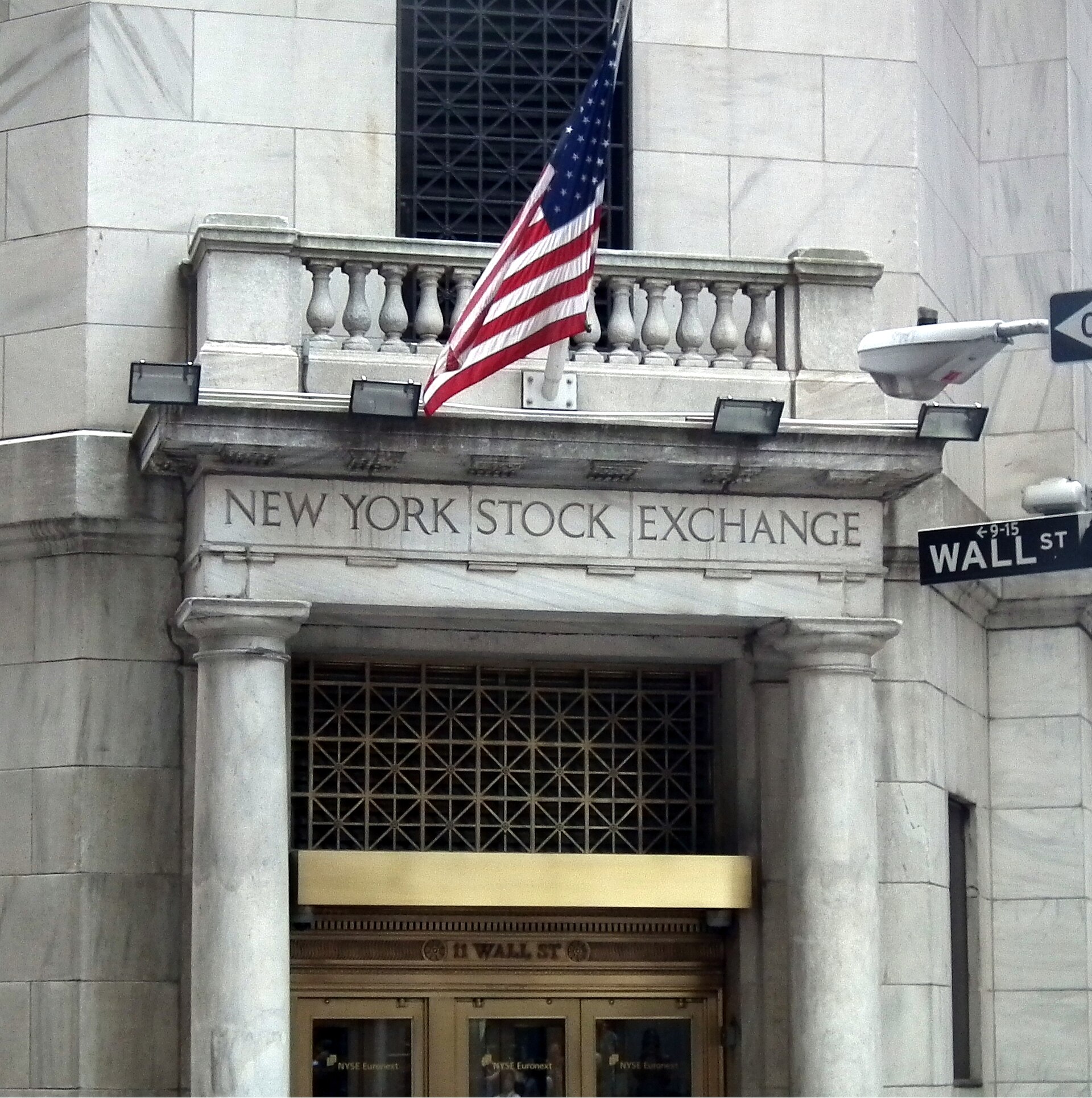
This week, as shareholder panic wreaks havoc on Wall Street, the scene seems to be repeating itself: in late 2007 and early 2008, when the first symptoms of the crisis appeared, the credit agency Standard & Poor’s cut the rating of the financial giant Lehman Brothers, causing, or at least setting off, the current recession.
The rating agencies are trying to maintain and strengthen their reputation, which was damaged during the first wave of the crisis, when they failed to forecast the state of the world economy. In many ways, this move by the agencies can be explained by their desire to show that they are sometimes capable not only of pointing out the progress of developed countries but also of flagging their failings.
For some, the financial crisis the United States is going through is nothing more than an artificial construct designed to put in place a series of measures that benefit certain elites.
“…that it’s the financiers who win, that they manipulate the market for their own ends, and that the ones who lose are always the workers, and so on…”, said Adrián Salbuchi, a writer and expert in economics and geopolitics.
A report from the Council on Foreign Relations states that in the period 2009–2010 the wealthiest 5% of citizens increased their income, while most of the population has gone on living on a diet of recession, unemployment and austerity.
In this sense, S&P’s downgrade of the US could have had more complex aims. On the political front, as some experts see it, this manoeuvre gave the opposition Republicans an opening to weaken President Obama’s standing with the American public and the international community.
There are also those who argue that taking advantage of the situation at the hardest moments, economically speaking, is typical of the financial mindset.
“As the saying goes, one person’s problem is another person’s opportunity. At times like these, yes, there are individuals who have been able to seize the opportunities. If we’re talking about a fall in the value of the dollar that is already being anticipated, they are already positioning themselves,” said Manuel Lasaga, economist and president of StratInfo.
Among those positioned to make these gains are individuals such as Warren Buffett, the third-richest man on the planet, with a fortune of 50,000 million dollars, whose companies reported extraordinary profits in the last quarter. And this despite S&P having downgraded his credit rating, supposedly for “criticising” its AA+ verdict on the United States.
In the end, beyond all the hypotheses on the subject, the question remains of who really benefits from the US financial crisis. But in this same context, there is broad agreement that the one who loses most here is the ordinary citizen; in other words, the country’s working class.
Source: RT
Further reading
Featured image: Erik Drost, CC BY 2.0, via Wikimedia Commons.