Editor’s note: This article was first published in April 2010. Its present tense describes the situation in late 2008, and its figures are from that moment. US home prices later fell by roughly a quarter or more from their 2006 peak, so its claim that the crisis “makes no sense” rests on early data.
The crisis began in the United States, with mortgages. For many years, property values rose steadily. During those boom years, lending standards were relaxed.
To be able to lend more, banks bundled or packaged mortgage loans into financial instruments called “mortgage-backed bonds”. These were sold on the financial markets to other banks, pension funds, insurers and investors.
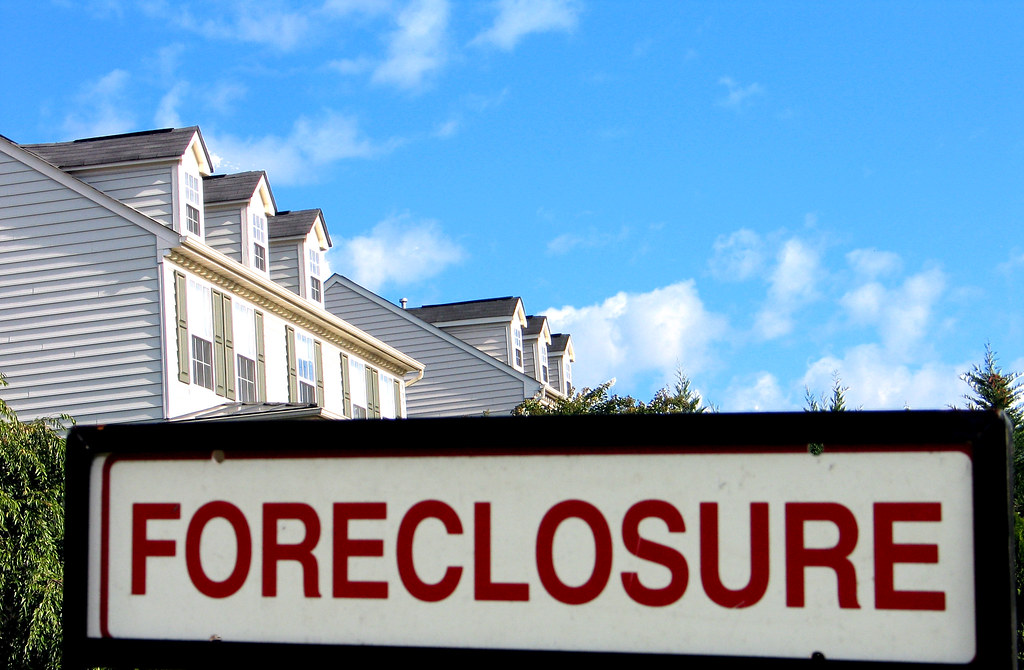
The problem came when property prices stopped rising and, in some cases, began to fall. As part of those relaxed lending standards, some banks lent with no down payment: they lent 100% of the property’s value to buy a home, and in some cases they lent to people who had no job and/or were insolvent.
As property values fell, many people realized that they owed the bank more money than their property was actually worth, so they stopped paying their mortgages. The holders of these debts and the owners of these bonds panicked and began selling their bonds. This set off a stampede to sell these bonds.
These famous bonds are bought and sold like any other product: even though they are backed by mortgages, the law of supply and demand sets their value.
With far more supply than demand, prices collapsed. For reference, bonds normally worth 100 dollars were sold at 35 dollars. The illogical part of the problem is that these bonds, as you’ll recall, are backed by properties that haven’t disappeared. First, those properties haven’t lost more than 20% of their value and, second, only about 10% of the loans have gone unpaid. That’s why this mortgage crisis makes no sense. However, the owners of these bonds are required to value them in their accounts at whatever they’re worth on the market.
Having bought them for 100 dollars and having to value them at much lower prices, the difference is a loss that has to show up on the income statement. This has forced many companies, such as banks, insurers and brokerage firms, to report losses in the millions, and in some cases banks that couldn’t raise more capital have gone bankrupt for this reason.
The problem grew to the point where it began to affect banks that didn’t hold these bonds. As background, it’s important to understand that banks lend each other money every day to fund their loans and their day-to-day operations. With uncertainty about how the crisis will turn out, banks are raising the cost of lending to one another. They are also losing trust in each other and no longer lending to each other. This has driven other financial institutions into bankruptcy, infected by the original problem.
Because of the uncertainty about what will happen, banks are no longer lending to businesses and individuals. This is happening all over the world, and when they do lend, they demand more collateral and raise interest rates. Companies cut inventory levels, reduce costs and see their profits shrink. As a result, companies stop selling, have to cut spending and even have to lay off staff.
See also: Google Advisor: financial products compared by Google
All of this is what causes a worldwide crisis of confidence. That, basically, is what’s happening.
Investors’ fear is making this crisis spread around the world like a virus. It has already infected Europe and Asia. It is already affecting Mexico and, even though our leaders deny it, it will end up hitting us (they deny it not because they’re incompetent, but because the worst thing they could do is spread panic). How hard will the blow be? Much will depend on what the governments of the world’s largest countries do, and how quickly they do it. Governments around the world are stepping in to keep their economies from grinding to a halt and to give guarantees and security to individuals like all of us. Some of the measures being taken around the world are:
- Guaranteeing that the savings we keep in banks are safe, so that if a bank fails, that money doesn’t disappear. This is a very important measure to keep the crisis from spreading to ordinary people.
- Lending to financial companies, since banks aren’t lending to each other, or only at high interest rates.
- In the United States, the government was authorized to buy these famous bonds, so that, with more demand for them, the law of supply and demand would give them a value closer to reality rather than one based on irrationality. It also means banks can sell these bonds to the government and use the money they receive in exchange to lend to businesses.
With each government doing all this in its own country, it’s a matter of waiting to see results, just as a medicine doesn’t cure a patient overnight.
Further reading
Featured image: Taber Andrew Bain, CC BY 2.0, via Flickr.