

Editor’s note: This article was first published in March 2016. It is a news piece based on ILO figures for 2014, including the top-10 ranking, Spain’s 24.7% unemployment rate and China’s 4.7% rate. All of these figures have changed since.
With all eyes on China’s economic slowdown, the International Labour Organization (ILO) has released some striking figures, to say the least. Despite the job losses in China, its unemployment rate stands at 4.7%, one of the lowest in the world.
According to the BBC, the crisis in the coal and steel industries could put almost 2 million jobs at risk in China, and even so, the Asian country’s unemployment rate would remain lower than that of other countries.
Bad news once again for Spain, which once again appears in an unflattering ranking: the countries with the highest unemployment rates. We would even venture to say that we lead the world in youth unemployment, at almost 50% in 2016.
According to the ILO’s latest ranking, which dates from 2014, Africa is one of the continents hit hardest by unemployment. The 10 countries with the highest unemployment rates are:
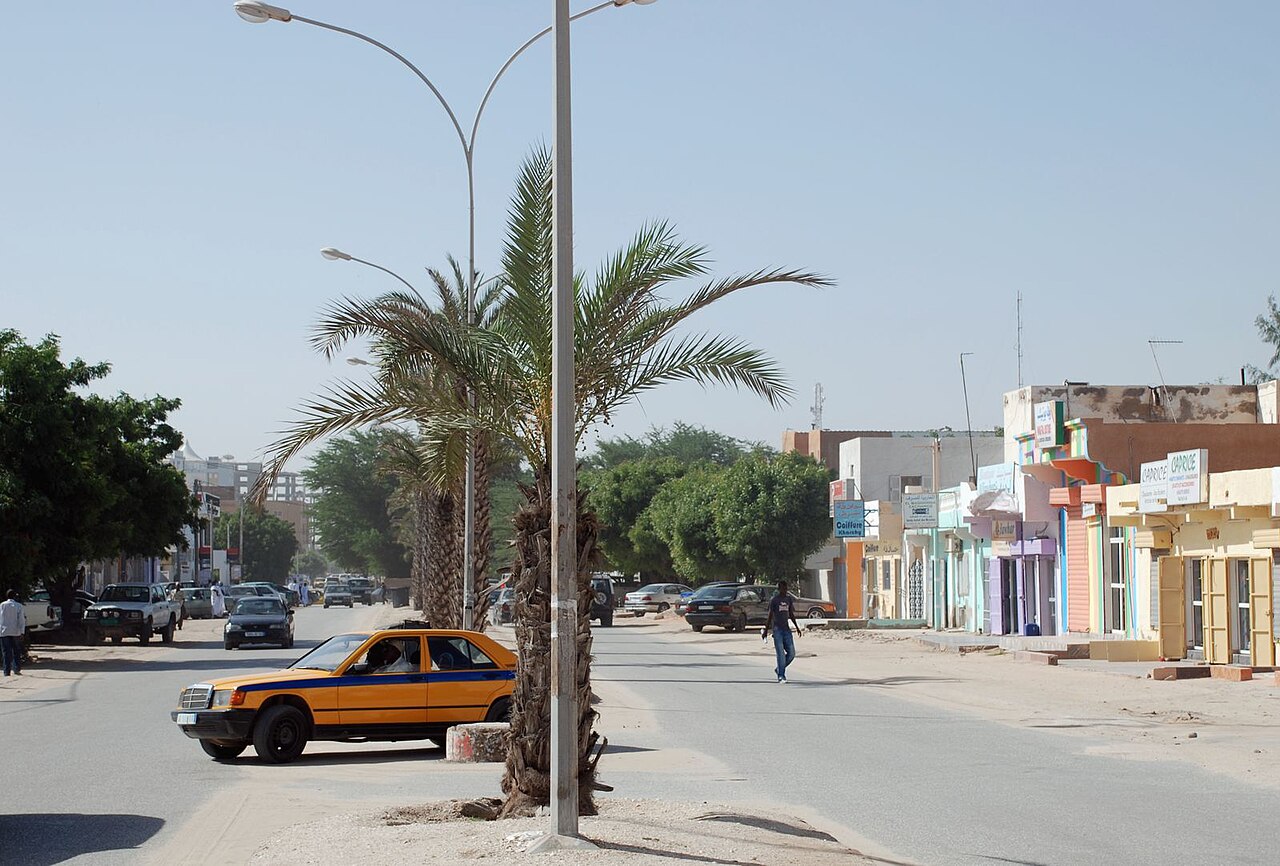
- 1. Mauritania – 31.0%
- 2. Bosnia and Herzegovina – 27.9%
- 3. Macedonia – 27.9%
- 4. Greece – 26.3%
- 5. Lesotho – 26.2%
- 6. West Bank and Gaza – 26.2%
- 7. South Africa – 25.1%
- 8. Spain – 24.7%
- 9. Swaziland – 22.3%
- 10. Serbia – 22.2%
Source: ILO, 2014
There is no doubt that the mortgage crisis had a worldwide impact, but Spain and Greece have been two of the countries hit hardest, due (and this is a personal opinion) to the dreadful management of both the previous and the current government, which has also led to a curious situation.
It is very hard to measure a country’s real unemployment, as well as workers’ real working conditions. Still, there is no doubt that our country’s disastrous economic and employment policies have made Spain one of the few developed countries in the world where having a job does not necessarily mean you stop being poor.
Likewise, when a country has a high unemployment rate, people often give up actively looking for work. Since the ILO calculates unemployment rates based on the total of the employed plus the unemployed who are actively looking for work, many unemployed people are left out of the total count of the unemployed.
See also: Being poor makes no sense: change your mindset
Featured image: Bertramz, CC BY-SA 3.0, via Wikimedia Commons.



