Editor’s note: This article was first published in May 2012 and reports news from the G20 Labour and Employment Ministers’ meeting in Guadalajara, Mexico; all its figures come from that report, and its member list is as of 2012. The African Union joined the G20 in 2023.
It’s the news of the day. According to data from the International Labour Organization, the G20 needs 21 million jobs to be created to resolve the economic crisis that began in 2008. It’s the top story in every business news outlet.
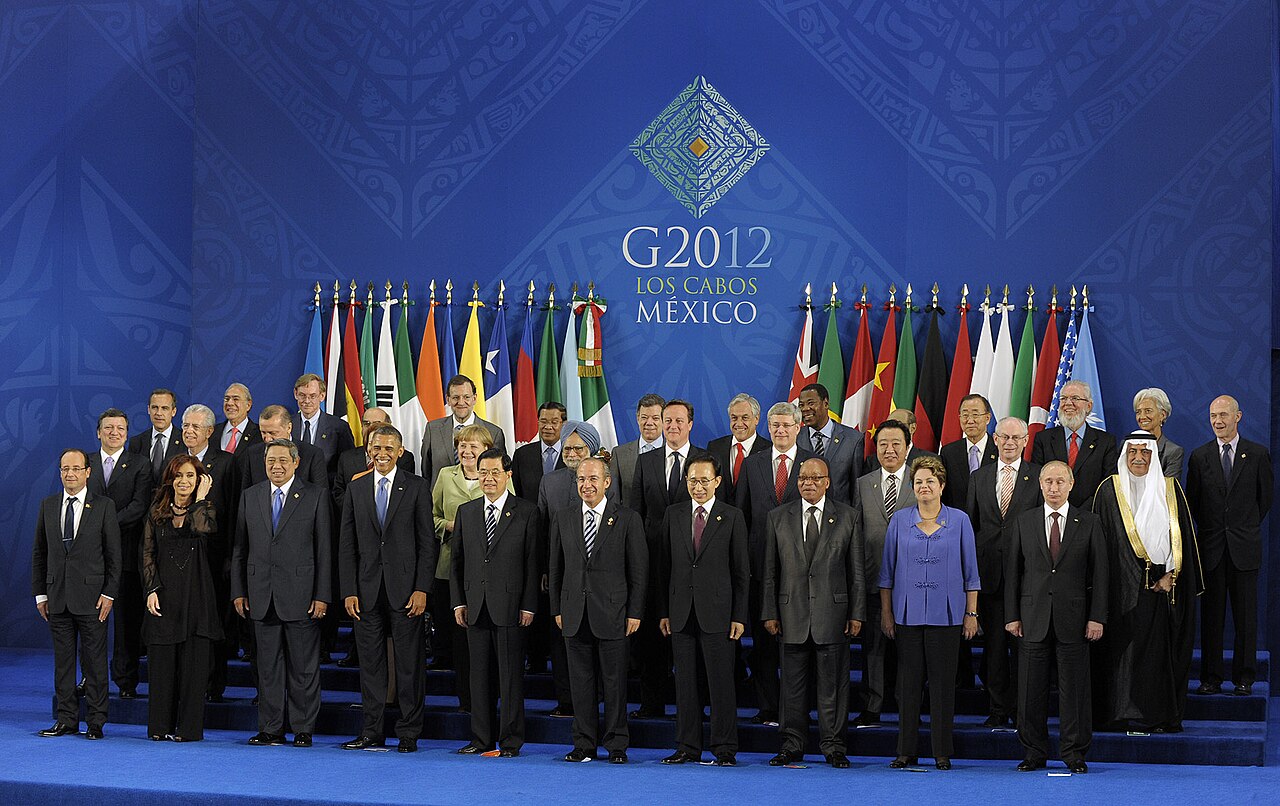
The group, made up of the United States, the United Kingdom, France, Italy, Germany, Canada, Japan, Russia, Mexico, Brazil, South Africa, India, China, Argentina, Turkey, Saudi Arabia, South Korea, Indonesia, Australia and the European Union, has been meeting in Mexico over the past few days.
News summary
The report presented at the meeting in Guadalajara (Mexico) offers a series of ideas and headlines, which we summarise below:
- The Organisation for Economic Co-operation and Development (OECD) and the International Labour Organization (ILO) warn that with annual growth of 1.5% it is impossible to reduce the current jobs shortfall.
- The same report warns of the high levels of unemployment which, together with the very sluggish pace of job creation, have made the issue the subject of one of the meetings called by the group’s Labour and Employment area.
- Pessimism is fuelled by the sense that the economic slowdown suffered by the main economies during the second half of last year may get worse.
- The report warns of high youth unemployment, which in most countries is two to three times the adult rate, put at 19.2%, although rates differ greatly between countries in the group, ranging from around 7% to 50%.
- The working group intends to listen to men and women in order to adopt measures that promote employment through suitable education, vocational training, work experience and guidance aimed at integrating new generations into the labour market.
- Employment growth varies widely among member countries. Some reach 2%, while others don’t even reach 0.6%. The rate rose in the European Union, except in Germany.
- The report warns against creating precarious and informal work instead of quality jobs, pointing out that poor-quality jobs account for as much as 45% in eight of the G20 countries.
The group
The G20 was born in response to the severe economic crisis at the end of the last century, and to give emerging economic powers a bigger role on the international stage.
The group holds annual meetings at which each country’s finance ministers and central bank governors discuss and tackle a range of issues of vital importance to the global economy.
Featured image: Gobierno de Chile, CC BY 2.0, via Wikimedia Commons.