Editor’s note: This article was first published in November 2011. This opinion piece concerns a proposal by DGT deputy director Federico Fernández to charge drivers for using Spain’s autovías and for entering cities. The French plan to charge heavy goods vehicles that it mentions may also be out of date.
In Spain, the road tax (the one you’re charged for being allowed to drive), the blue lines (the ones that charge you to park), and speed cameras placed on straight stretches (where you can go fast without risk) rather than on sharp, dangerous bends (where you couldn’t speed even if you wanted to) are apparently not enough ways of raising revenue.
Federico Fernández, deputy director of the DGT (Spain’s Directorate-General for Traffic), has stated that managing, maintaining and improving the road network will mean charging drivers for using it, as in other European Union countries. The equation they have to solve before launching this fabulous measure is who will pay, how much they will pay and how it will be collected, so they could look for a way to make the person who drives pay more, obviously, so that roads aren’t paid for by all citizens but only by those who use them.
Put like that, it might sound reasonable, especially since all this is being done for the sake of mobility: apparently they’ve received reports from Portugal, where congestion has been cut by up to 40% on several roads where charges have been introduced.
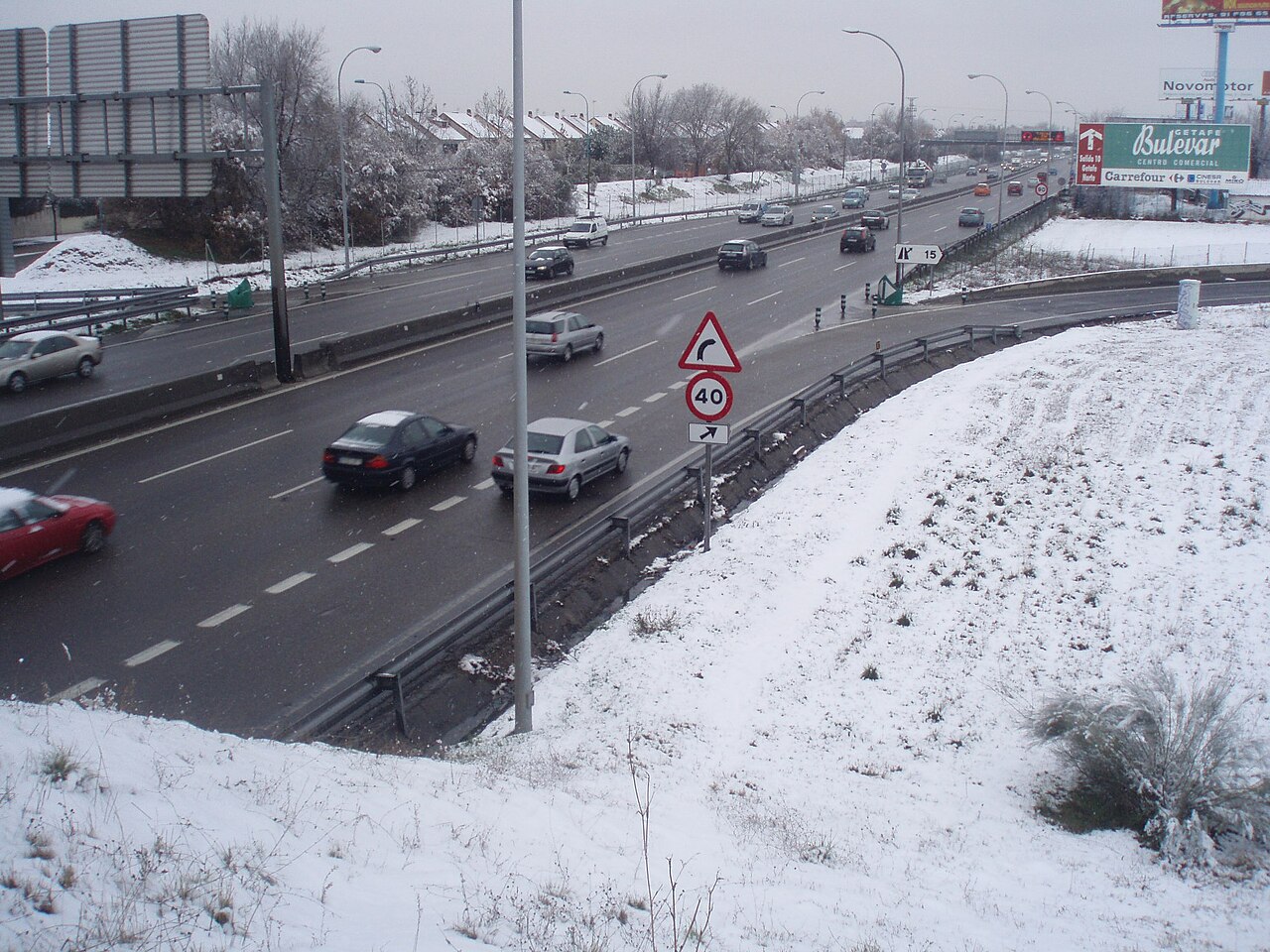
Federico Fernández has also been drawn to the measure London has been using for some time, where drivers are also charged to enter the city centre. It’s curious how keen we are to import ideas when it comes to ways of raising money, without taking into account the difference in incomes from one country to another.
What would a typical day look like for a Spanish driver making a 20-kilometre trip?
Once you’ve paid your road tax, you head to work. You take the autovía, one of Spain’s toll-free dual carriageways (you pay). You work in the centre, so if you want to get into the city (you pay). When you decide to park, you find the blue line (you pay), although you can always look for somewhere else to park. And when you finally find a spot where you don’t have to pay for the blue line, it’s not your lucky day, because along comes the usual «gorrilla» (an unofficial parking attendant who expects a tip), so you know the drill (you pay) 😉
What’s next? Copying the system in France, where heavy goods vehicles are also charged a higher fee for the right to use the motorways? That was a rhetorical question, because that’s being studied too.
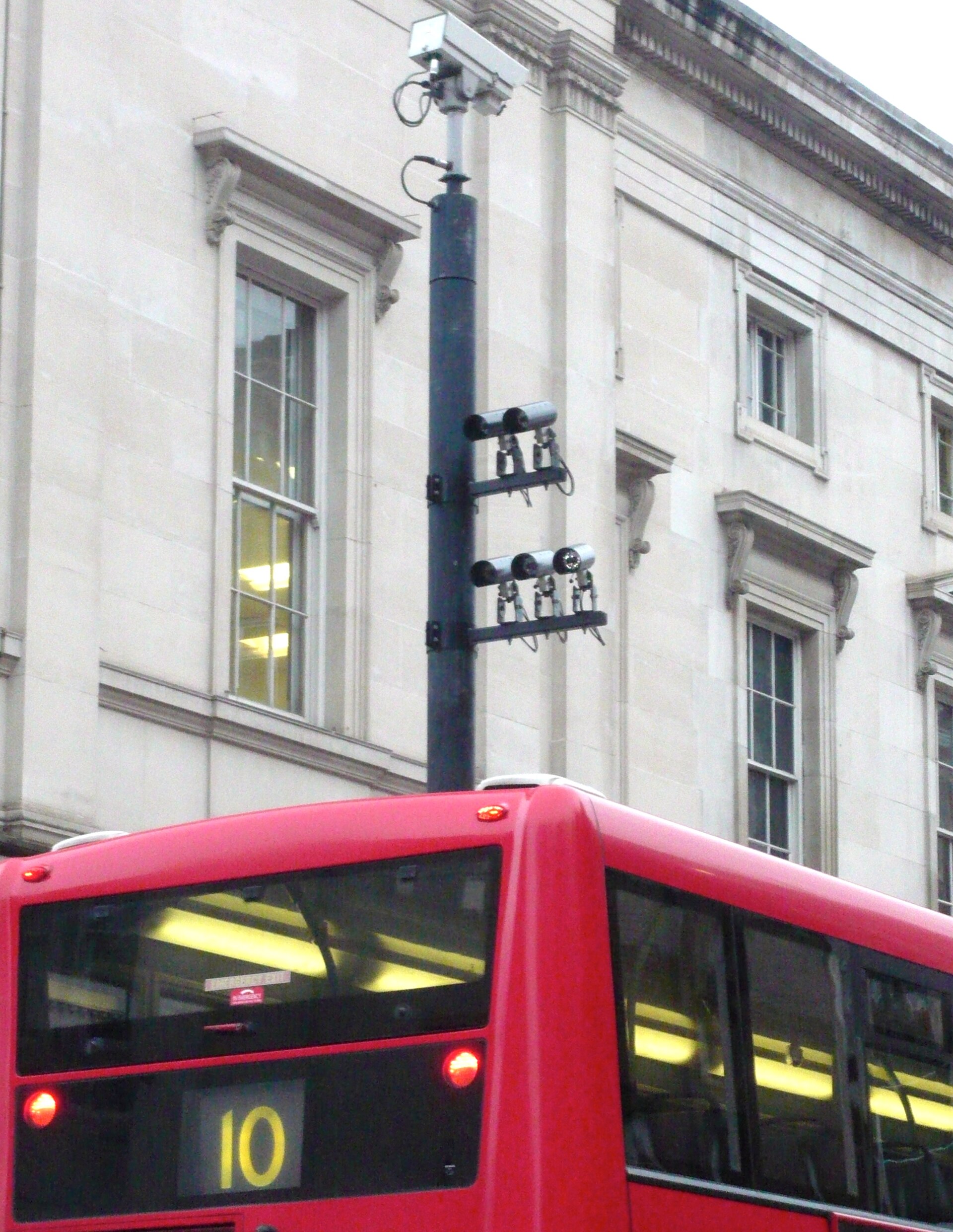
Featured image: Miguel303xm, CC BY 3.0, via Wikimedia Commons.