

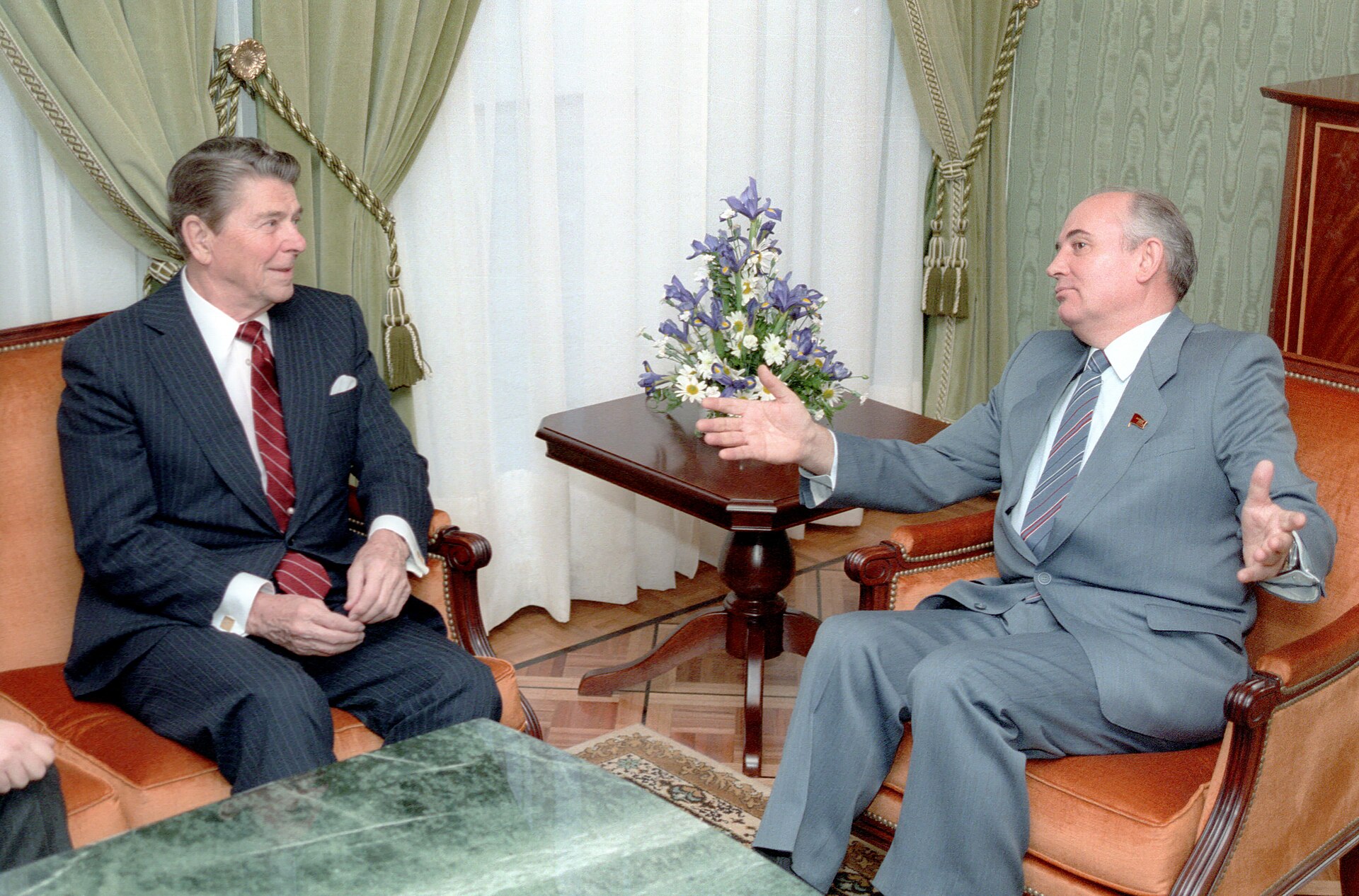
Knowing about body language is very useful both in everyday life and in business (especially in negotiations). It is said that more than 80% of what we communicate to another person is conveyed not by our words but by our gestures, tone of voice, posture and expressions.
Before we even open our mouths, the other person has already formed an impression of us, and often that person isn’t aware of why they have that impression.
According to Peter B. Stark and Jane Flaherty, authors of The Only Negotiation Guide You’ll Ever Need: 101 Ways to Win Every Time in Any Situation, in a conversation of about 30 minutes two people can send 800 different nonverbal messages or signals.
Many of these signals are intuitive, since the mirror neurons in your brain are wired to understand other people’s emotions on “autopilot”. For example, you know that if someone is smiling everything is going well, and that a fidgety person signals anxiety and/or a lack of confidence. Recognising certain signals comes as standard.
But of course, some signals are less obvious, so learning to control them, and learning to spot them in the other party, can give us an edge, whether on a date or in a negotiation. These are the nonverbal signals we are going to talk about.
(See also: Techniques for reading people and their body language)
1. Distance
You should be close, but not too close. If you’re on a date, you’ll know how much it means when the other person starts to shorten the physical distance between you. The same thing happens in a business meeting. If your counterpart starts moving closer or leaning towards you, you’ll know you’re making progress. On the other hand, if your counterpart leans back, settles back in the chair or moves away, it shows they are losing interest for some reason: you’re boring them or they simply want to wrap things up.
Knowing this, in situations where you need to appear interested, make a conscious effort to lean in and move closer to the other person, but not too close, because invading that person’s space would only make them uncomfortable.
Another way to play with distance is when you know in advance who in a meeting is going to attack or criticise you the most. Try to sit next to that person, because the evidence shows that someone in the safety of distance can be very cruel, whereas when you’re close by, people tend to hold back a little.
Example: the internet. The protection of being behind a screen leads people to insult others in a way they would never dare to face to face.
Closeness conveys trust, but breaking through the barrier of closeness is annoying.
At some point you’ve probably come across someone who gets too close when talking to you, or leans on your shoulder, and it has bothered you. It’s also the difference between the charming man and the creep in a pub or nightclub.
The creep invades the girl’s personal space and even touches her, which most girls find repulsive, while the charming man knows very well how important it is to get close without crossing the line beyond which she feels intimidated.
In short, if you control distance and space, and read how others control theirs, you’ll have an advantage over other people.
2. Open palms
These days it’s clear that if we’re talking to someone and we see their fists clenched, something is wrong. The reassurance we unconsciously get from the open palms of the person we’re talking to probably goes back to medieval times, when open palms meant the other person wasn’t carrying a weapon.
Today they show that we have nothing to hide. They also show that we aren’t in an aggressive stance, so in a heated argument or debate, at least remember to keep your palms open at all times so as not to “inflame” the other side even more.
3. In a negotiation, don’t cross your legs
There is no scientific evidence for this point, except for the study that appears in Gerard I. Nierenberg’s book How to Read a Person Like a Book. Nierenberg says that after videotaping 2,000 sales transactions, he found that not one of those that ended successfully had been carried out with the person’s legs crossed. In other words, in the negotiations where the person had their legs crossed, for some reason, they didn’t achieve their goal.
The ideal way to sit when negotiating would be with your feet flat on the floor, since according to this author you’ll send a more open and positive signal.
That said, to be honest, I have closed many negotiations with my legs crossed. But it is true that when we reached the important part of the negotiation, I would unconsciously uncross my legs and lean forward. So I can’t really say how to interpret this point.
4. Use eye contact correctly
You should keep steady eye contact, but without boring holes into the other person with your gaze. If you want to show confidence and respect, and make it clear you’re paying attention to the other person, light eye contact will give that impression.
But if the eye contact is too intense and you never take your eyes off theirs, you can come across as hostile and end up making the other person uncomfortable.
How to use it: if you’ve been given a price in a negotiation and you don’t like it, sometimes just looking at that person intently without saying anything can shift the price in your favour.
The power of a gaze has been shown in various studies, which found that simply putting up a poster with a pair of piercing eyes in a shop lowered the level of shoplifting. It’s so powerful that some large stores and businesses had to remove certain posters of people looking out from the decoration in their toilets, because some people couldn’t relieve themselves with eyes watching them (even though the eyes weren’t real).
However, nowadays it isn’t true that liars don’t look you in the eye. Today’s liar knows that everyone else knows liars don’t look people in the eye, and a mistake most liars make these days is using eye contact that is too intense and prolonged, because they try to make up for their lies with their eye contact.
How this helps in business and negotiations
Being aware of the signals others are sending us, and of the signals we send, will give us an advantage.
For example, if we’re making an offer and see that the other person leans back, turns their head to one side or increases the distance, we have a little time to “rethink” that offer and improve it.
If you join a group of people talking standing up and notice that some of them make eye contact with you but their feet aren’t pointing towards you, it’s very likely they’re telling you they aren’t comfortable with you being in the group.
But be careful with interpretation
In most cases, nonverbal signals and messages can’t be analysed individually: you need to look for a cluster of signals and analyse them together.
An example I often give is a girl touching her hair. Some say it’s a sign that she likes you. But it can also mean she’s bored and restless, wanting to end the date with you because she has to go to the hairdresser.
Now, if this same girl touches her hair, smiles and leans towards you, that’s a cluster of signals that could indicate she’s comfortable with you and probably likes you.
Someone who crosses their arms hasn’t always closed themselves off to what you’re saying. Sometimes it’s simply a person who crosses their arms because that’s the posture they’ve chosen for the last 30 years and they feel comfortable that way.
Still, to make interpreting nonverbal signals easier, let’s play it safe: check whether the nonverbal signals are in sync with the words being spoken.
A somewhat extreme but clear example would be to go back to the girl touching her hair.
It’s not the same if she touches her hair while saying “you’re the stupidest guy I’ve ever met in my life” as when she touches her hair while saying “shall we go back to your place for one last drink?”
In the first case, there’s no sync between the words and the nonverbal message. In the second case, there is. And she’s also a very determined girl, of course 🙂
Featured image: President (1981-1989 : Reagan). White House Photographic Office. 1981-1989, Public domain, via Wikimedia Commons.



