Editor’s note: This article was first published in September 2011; all its forecasts, including financial chaos in 2012, a crisis worse than 1929 and recovery not before 2015, are from that date and have since expired. Its growth, unemployment and stock market comments refer to 2011.
At the start of this recession, several economists predicted the devastating consequences of this crisis. It was a very negative message at a time, 2008, when economic optimism was needed, especially with elections approaching. Some said the crisis would last two years; others said there was no crisis at all, just a cycle of “economic recession”.
Far from optimism or pessimism, some people made realistic forecasts, saying that this crisis would not end before 2015 at the earliest, although the logical expectation would be at least ten years for a full recovery. The dollar’s role as the international currency is being questioned, and doubts are arising about the euro. Now there is talk of a new recession in Europe, which leaves me a little “lost” on the subject, because I must be the only one who thinks we haven’t yet come out of the first one. Six of the seven largest economies on the planet (the US, Japan, France, Germany, the UK and Italy) are growing at 0%.
These seven countries account for 50% of the world’s total GDP, so fears of a deeper crisis keep growing. In fact, as we argued back in 2010, what we have lived through so far has only been a pre-crisis, an appetizer for the meal still to come.
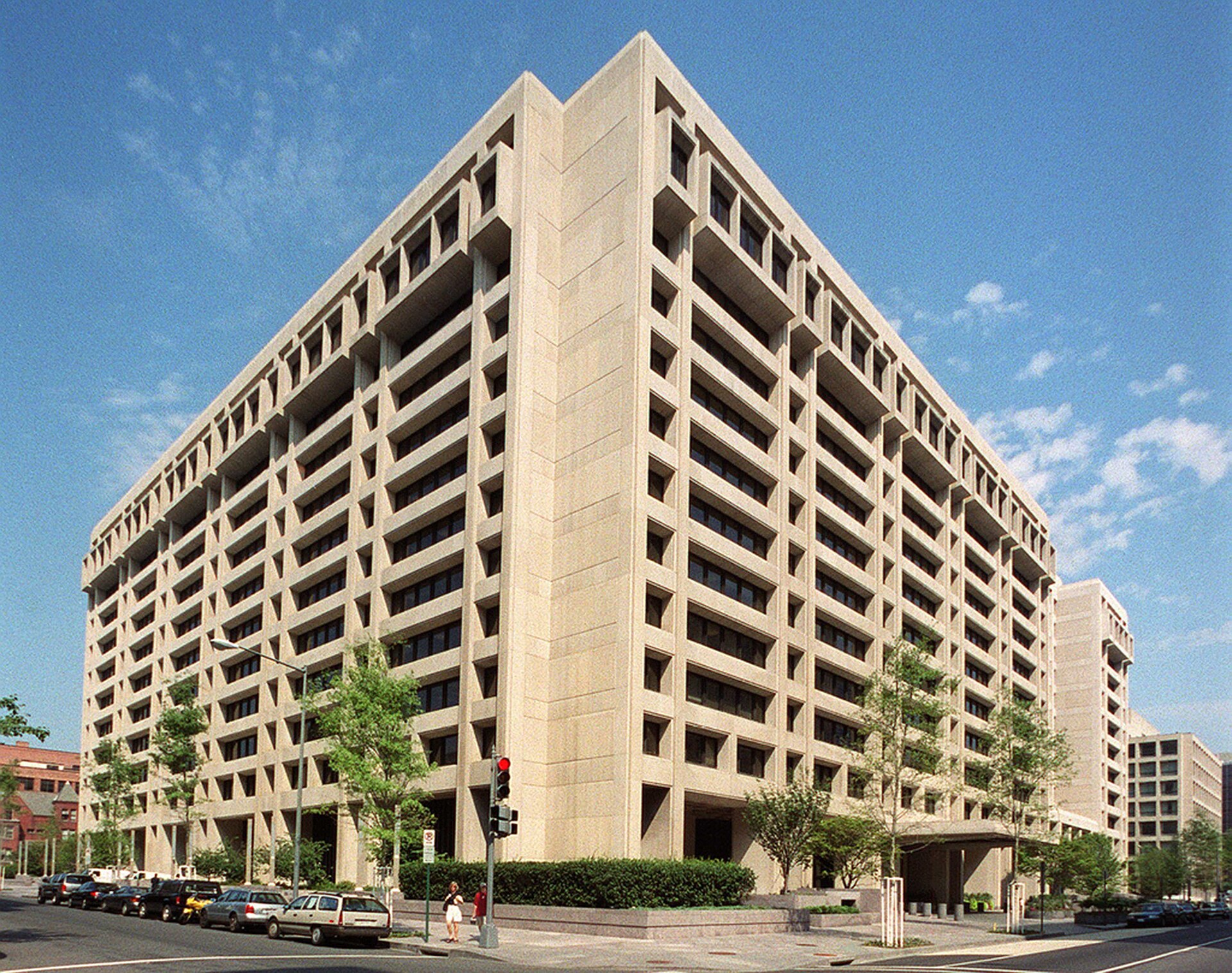
The improvisation is over, the rabbits and top hats are gone, and the IMF has given up trying to hide the truth: unless the right measures are taken, this crisis could explode in 2012 and create a situation much worse than that of 1929.
A crisis of confidence
If in the past people talked about a crisis of confidence to explain why banks weren’t lending, today the distrust is much greater, between the banks themselves and between governments themselves. After the IMF’s figures, new bailouts can’t be ruled out. The problem is whether the strong countries (if any strong ones are left) will be willing to inject money to help the weak recover, now that it has been shown that bailouts achieve little and are only temporary patches.
The United States is watching Germany, because it is the main engine of Europe, an example of survival in times of crisis, so to speak. But after its economic growth figure (0%) and its job creation data, the main engine would not be inclined to keep pulling the rest of the eurozone economies along. Meanwhile, in Europe we are watching the US economy, which is in an even worse state than Europe’s. Both situations are reflected on the stock markets, and the outlook is not attractive.
Without credit and with unemployment, austerity measures are useless
Austerity measures, cuts, tax rises… every measure that brings revenue into public coffers ends up hurting economic development. As the months go by, the average citizen will have less purchasing power, and this directly affects consumption. Summer is over, and despite hopes of job creation in September, the data show exactly the opposite: once the temporary summer contracts end, unemployment keeps rising.
The domino effect
Hopes had been placed on emerging countries, which offered a chance of growth and business opportunities for our companies, but Brazil is already showing the symptoms of a bubble, and China has more debt than it admits to.
With every last hope cut down, governments take the next step in their search for revenue, and now they are going after the banks with accusations they should have made four years ago.
The United States has just sued 4 big banks over the sale of toxic assets during the housing boom. It accuses Bank of America of selling more than 6 billion dollars in “misleading” assets, and it also accuses Citigroup and Barclays. This is what we all wanted the US government to do, because these banks, together with Lehman Brothers, seriously damaged the world economy. The problem with these accusations today is that they will hit the New York stock markets, and the problem won’t take long to spread to Europe.
This is the domino effect that some have expected since 2008 and others have covered up, because the cancer of this crisis lies in the financial system. Delaying the reform of that system, and a solution for the debts of citizens who will never be able to repay the bankers, will only postpone the way out of the crisis.
We’ll make a prediction: sooner or later, two words will come up as the solution to the crisis, and those words will be debt forgiveness. We know from a private source that in the United States debt forgiveness has already been put on the table and is being studied as a possible way out of the crisis, as was done in 1930. Of course, not everyone will agree with this measure, because it would be a viable solution in the long term but with dire consequences for the world economy in the short term.
If everything goes as expected, financial chaos will arrive in 2012, and after a couple of years of recovery, if our governments “do their homework properly”, the economy will be able to climb back slowly. If the right measures aren’t carried out and the right decisions aren’t taken, we could drag this situation out until 2018.
Further reading
- How would a US default affect the world economy?
- Who pulls the strings of the economy?
- Alan Greenspan: the United States has no risk, it can print money
Featured image: International Monetary Fund, Public domain, via Wikimedia Commons.